

Introduction — scenario, data, question
Have you ever watched a busy lab grind to a halt because results didn’t come through? In one mid-size public health lab, a single afternoon of failed runs meant 40% fewer processed samples than planned; that’s the kind of hit that makes people check everything twice. automated nucleic acid extraction plays the lead role in those workflows, and small hiccups there cascade fast. I’m asking plainly: what makes these systems trip up when the pressure is on? (We’ve all had that moment of staring at a blinking error light.) Let’s pull this apart and move to the nuts and bolts next.
Part 2 — A technical look at hidden flaws
Why do failures occur at the component level?
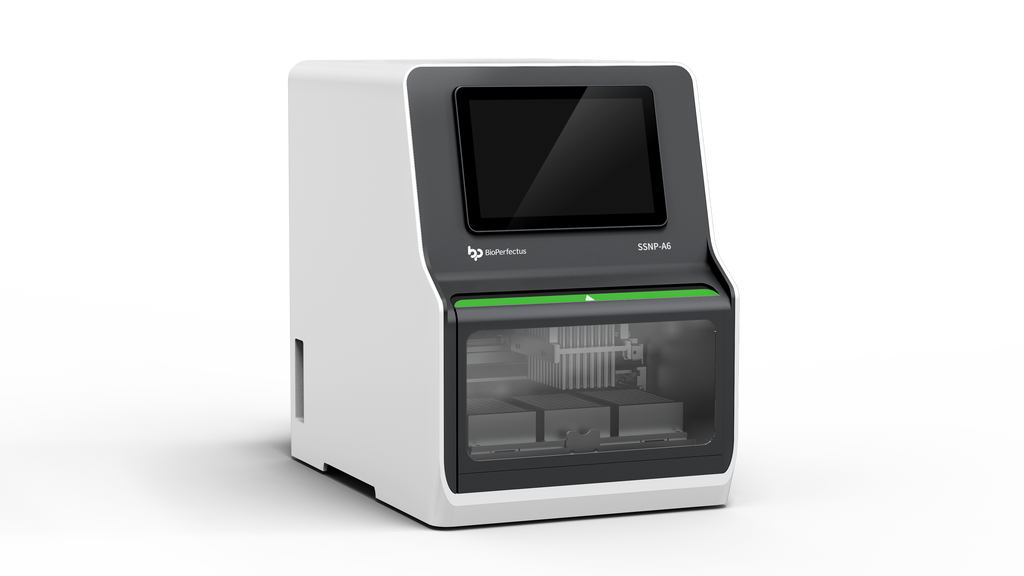
I want to get specific. When I examine an automated nucleic acid extraction instrument, I look at the interplay between hardware, reagents, and process controls. A common weak spot is the magnetic bead separation stage: if bead carryover or inconsistent mixing happens, yield drops and PCR inhibitors persist. Then there’s lysis buffer variability — a slight change in composition or temperature will alter extraction efficiency. Throughput demands make these issues worse; you push systems faster and small tolerances become big problems. Look, it’s simpler than you think when you break it down to parts and tolerances — funny how that works, right?
Another angle is software and sensing. I’ve seen calibration curves drift because of tiny optical misalignments or clogged sensors, and the system flags unclear errors that only an engineer can interpret. That leads to idle time and sample backlog. We also must mention consumable design: poorly seated tips or slightly warped plates can cause pipetting errors. In my experience, the lab staff often bears the brunt of this — they get the calls, they troubleshoot under time pressure. The result is not just lost samples; it’s hit morale and extra overtime. That’s the hidden pain point: the human cost layered on top of technical failure.
Part 3 — New principles and a forward-looking comparison
What’s next for more reliable extraction?
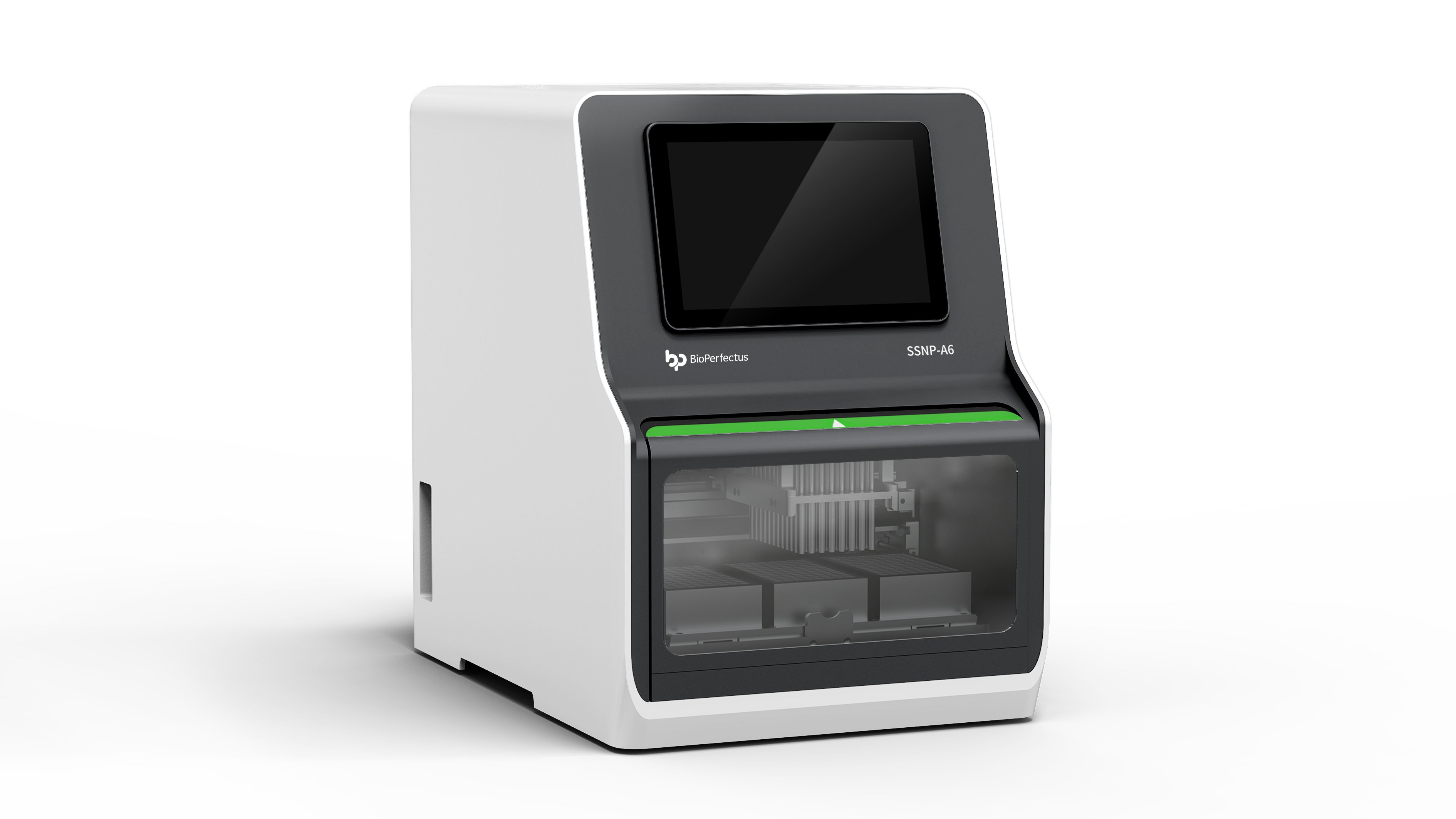
Looking ahead, I favor principles that reduce dependence on fragile tolerances. New systems are leaning into closed-cartridge designs, smarter sensor fusion, and redundant checks. For example, an automated nucleic acid extraction instrument that pairs pressure sensing with optical feedback will catch a partial clog sooner than one that relies on timing alone. I’m talking about combining sample integrity checks with dynamic flow control and simple UI prompts so operators can fix issues before a run fails. These changes don’t feel flashy; they’re pragmatic improvements — and they matter in real labs with back-to-back shifts and mixed sample types.
Comparatively, older designs hinged on strict SOPs and tight manual oversight. The new approach distributes intelligence: robotic pipetting routines adapt to slight plate warps; reagent tracking flags lot-to-lot drift; automation workflows include short self-tests between runs. We’re not removing human judgment, but we’re giving teams better data at the right time. If labs adopt these principles, throughput and consistency improve — measurable gains, not just nicer dashboards.
Closing — three practical metrics to choose by
To wrap up, here are three concrete metrics I use when advising labs on purchase or upgrade decisions: 1) Effective yield consistency — check variance across 20+ runs, not just averages. 2) Mean time to recover (MTTR) from common faults — a system that reports issues is only useful if fixes are quick. 3) Consumable tolerance — how sensitive is the instrument to plate and tip variance? Those three metrics predict day-to-day resilience better than raw speed numbers. I’ve seen vendors tout throughput while hiding long recovery times; don’t be fooled. We should pick tools that cut downtime and protect staff time — practical gains all around. For real-world options and product details, I often point colleagues to reliable suppliers like BPLabLine — they have sensible designs and service models that match these priorities.
