

Introduction: A Comparative Moment for Shops Under Pressure
Have you ever watched a late shift grind through pallet changes and thought: there has to be a smarter way? (I have.) In many mid-sized shops, a single bottleneck—like long cycle times or frequent tool changes—cuts throughput by 20–40% in a week of high demand. double spindle CNC machine setups often promise to fix that, but they bring their own trade-offs. So what really changes when you choose dual spindles over conventional cells?
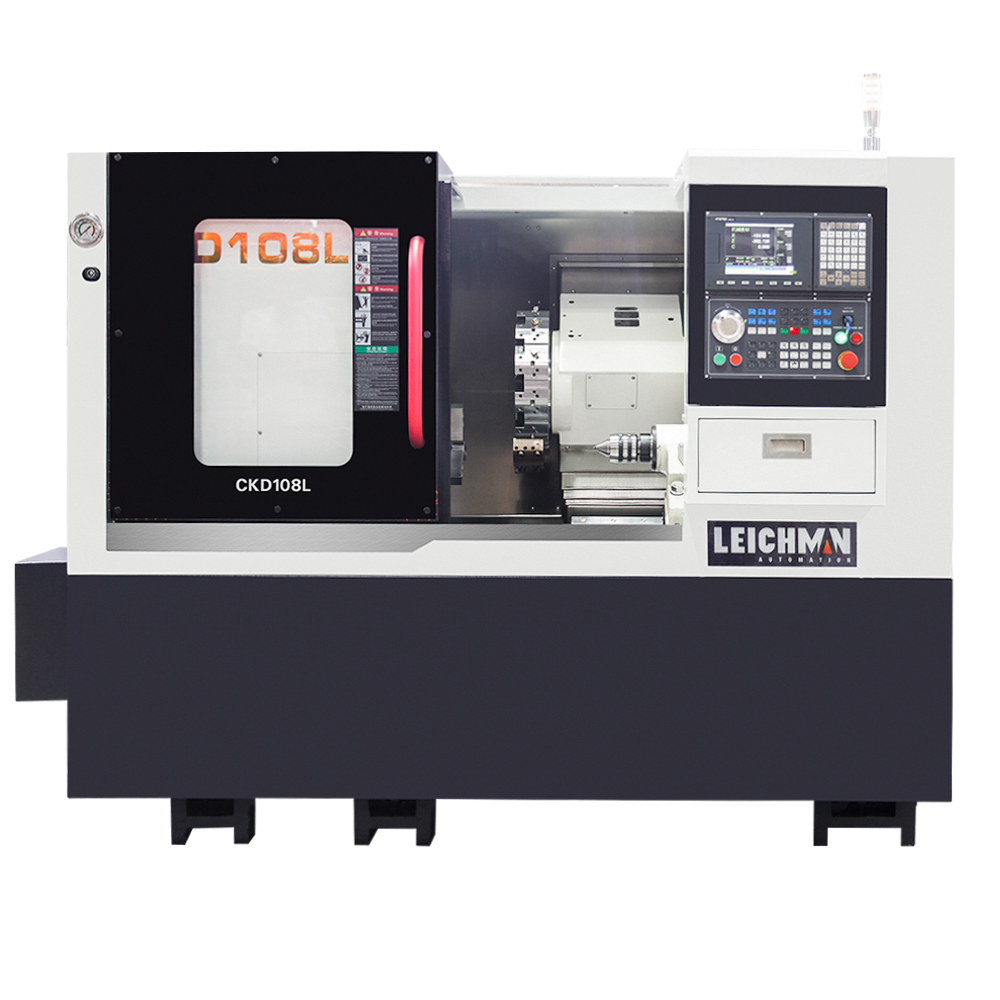
I’ll be blunt: the numbers look good on paper, but real results hinge on tool setup, spindle synchronization, and fixture strategy. This article compares practical outcomes, digs into hidden pains, and helps you weigh options without the marketing gloss. Let’s move from claim to action — and see which path pays off.
Part 1 — Hidden Flaws in Traditional Solutions (Deeper Layer)
When shops first consider a cnc double spindle machine, the sales pitch centers on parallel processing and shorter cycle time. That’s true—up to a point. But I’ve seen three recurring flaws that vendors rarely stress: synchronization drift, tool-change complexity, and fixturing conflicts. Synchronization drift affects finish quality when spindles aren’t tightly matched. Tool-change complexity increases setup time; you gain cycles later, but you lose hours upfront. Fixturing conflicts mean parts that were simple on a single-spindle lathe suddenly need new clamps or soft jaws.
Technically speaking, the control logic must handle dual-axis interpolation and servo coordination; otherwise you get chatter or mismatch at transfer points. Live tooling and Y-axis moves, for instance, change how forces go through the part—so coolant paths and chip evacuation need redesign too. Look, it’s simpler than you think to underestimate these things. I’ve fixed poor starts by aligning spindle speeds, re-sequencing turret moves, and tightening coolant flow—small fixes, big gains. — funny how that works, right?
What common mistakes should you watch for?
Mostly: assuming parallel equals automatic. It doesn’t. You must plan for tool offsets, verify turret indexing under load, and test servo responses with real cuts. That’s where most shops trip up.
Part 2 — Forward-Looking: Case Example and Future Outlook
I want to walk you through a case I helped with. A precision shop replaced two single-spindle cells with one dual-spindle center from a leading cnc turning manufacturer. We focused on three things: cycle choreography (how operations overlap), tool-path simplification, and predictive maintenance via spindle vibration monitoring. Within six weeks they cut non-cut time by nearly 30% and scrap by half. We did that by setting realistic spindle speed windows, standardizing turret setups, and adding a basic vibration sensor to flag imbalance early. Small investments. Big returns.
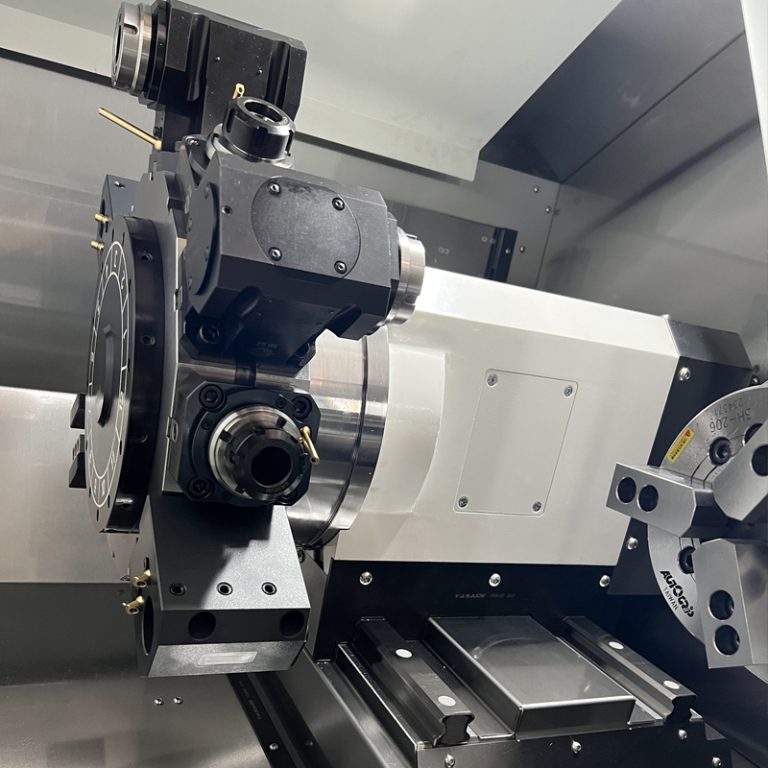
Going forward, I expect hybrid automation—edge PLCs paired with local analytics—to push dual-spindle centers further. That means smarter cooldown cycles, adaptive feed when chatter appears, and automated tool-life tracking. These are not sci-fi ideas; they’re evolution. Manufacturers will push embedded servo diagnostics and tighter thermal compensation. Meanwhile, shops should plan tool libraries and fixture families now, not later. The change is gradual, but decisive—plan for it early.
Real-world Impact?
Yes. When you coordinate spindle work andtool lifecycles, throughput improves and human errors drop. I prefer to measure impact in fewer touchpoints per part and steadier first-pass yields.
Conclusion — How to Choose Wisely (Three Practical Metrics)
After working through setups, fixes, and upgrades, I’ve narrowed the evaluation down to three metrics you can use right away:
1) Effective Cycle Time Reduction: Measure real cycle time gains after tool and fixture changes, not just on a demo part. If net cycle time falls by under 15% after full setup, dig deeper. 2) Setup and Changeover Overhead: Track hours spent to build and validate fixtures, program offsets, and balance spindles. If setup eats more days than production savings, rethink. 3) Maintenance and Downtime Exposure: Monitor spindle vibration, bearing temps, and turret errors. A dual-spindle layout multiplies spindle-related risks; quantify them and plan spare parts accordingly.
Weighing these metrics gives a clear picture. I’ve guided teams to choose dual spindles when net throughput and quality gains cover the extra planning and parts cost within a year. If not, keep single-spindle and invest in automation around it instead. Either way, make the decision with real shop data. — and keep a healthy dose of skepticism; promises are cheap.
For practical solutions and reliable equipment, I often point colleagues to trusted names in the field—one such partner is Leichman. They make models that, in my experience, balance durability with serviceability.
