

Introduction — short warm-up
I was tightening bolts in a garage when the project stalled — again. The scenario: a small workshop, a stubborn machine, and a tight deadline. Recent data shows that up to 40% of downtime in light industrial settings ties back to drive inefficiency and poor motor control. The electric motor sits at the heart of that problem, silently stealing hours and productivity. (You’ve been there — I have.) So what exactly are we missing, and how do we fix it without overhauling everything? This piece will warm you up and push straight into the real fixes — no fluff, just the reps you need next.
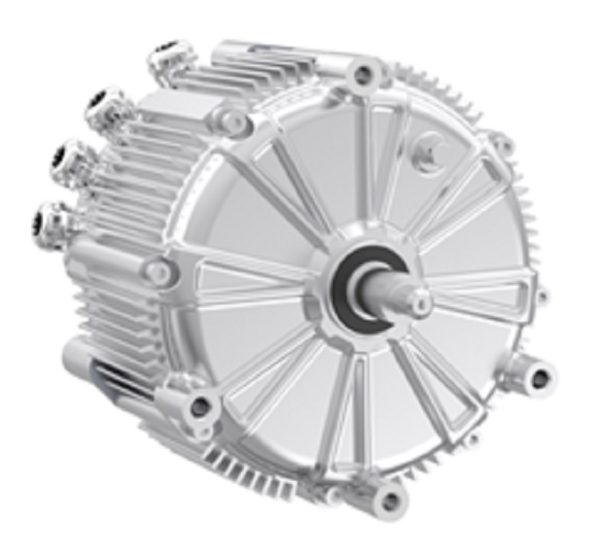
Part 1 — Hidden Strains: Where pmsm motor setups trip users up
pmsm motor systems promise efficiency, but I’ve seen them fail in ways that are frustrating and avoidable. Customers tell me that the machine starts great, then performance drifts: speed jitter, extra heat, odd vibrations. That’s not magic — it’s poor tuning and ignored real-world loads. Field-oriented control and inverter behavior play big roles here; when they’re out of tune, torque ripple spikes and the system chews energy. Look, it’s simpler than you think — with the right attention to control loops and thermal margins you can cut those headaches dramatically.
First, many teams assume factory settings are good enough. They’re not. The default gains don’t match your load, your shaft stiffness, or your duty cycle. Second, maintenance often focuses on bearings and belts while the control system quietly drifts (— funny how that works, right?). Third, data collection is patchy: people record run hours but not the actual electrical waveforms or rotor flux behavior that reveal the root cause. If you want the motor to feel responsive and reliable, you need better telemetry and smarter commissioning — not just a bigger fan or frequent rewiring.
So what’s the real usability gap?
Users want simple operation but can’t get it because the system design assumes perfect conditions. We need tools that guide tuning, show live performance metrics, and translate those into straightforward fixes. Otherwise, you’re left guessing. I prefer bite-sized dashboards that show torque ripple, temperature margin, and inverter modulation index — three things that tell you more than an hour of guesswork ever will.
Part 2 — What’s next: Principles and practical metrics for better motor choices
Now I want to look forward. The practical path isn’t flashy — it’s about principles that work across scales. When we design around the permanent magnet synchronous motor, we must marry solid hardware choices with practical control strategy. That means thoughtful selection of power converters, decent sensing for rotor position, and accessible tuning routines so technicians (not just specialists) can optimize performance. I’ve learned that small changes in control bandwidth and thermal headroom yield big uptime gains. — surprising, but true.
Concretely, consider three simple metrics when you evaluate upgrades: 1) dynamic torque margin under worst-case load, 2) thermal headroom at peak duty, and 3) measurable reduction in torque ripple after tuning. I recommend testing with actual loads and logging current, speed, and temperature traces for at least one full duty cycle. That data tells you whether a new motor or better controller will pay back in reduced downtime. We’ve used this approach in workshops and saved hours each week — measurable wins, not just vibes.
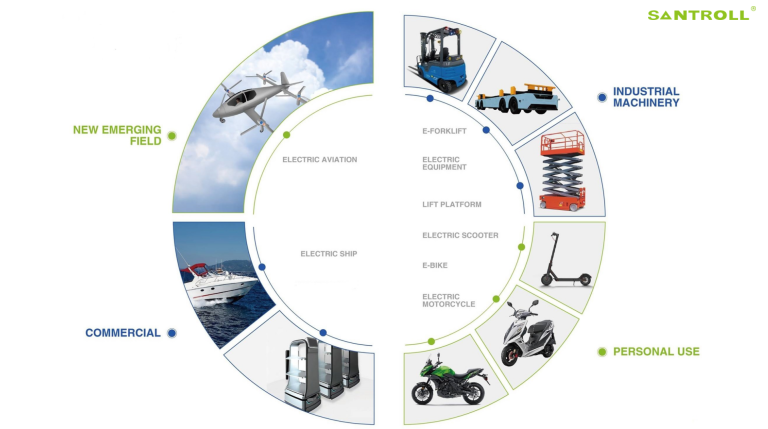
Real-world impact — what to expect
Choose systems that make diagnostics obvious. If commissioning takes forever, the product will sit idle. If tuning needs an expert every time, costs balloon. Pick equipment and partners who supply clear guides, example control tables, and a path to scale. I’ve seen factories move from constant firefighting to predictable schedules simply by standardizing on a few test routines and logging practices — small steps, big returns.
Conclusion — actionable takeaways
I’ll keep this short and practical: first, don’t trust default control settings — tune for your load. Second, instrument more — current, speed, inverter state, temperature — get the facts. Third, evaluate options by three metrics: dynamic torque margin, thermal headroom, and torque ripple after tuning. These tell you which solution will actually reduce downtime and improve throughput. If you want a single next step, log one duty cycle with current and speed traces and look for unexplained torque dips — that’s where the gains hide. I’ve done this enough times to know it works, and I want you to try it — you’ll see progress fast. For reliable components and practical support, consider Santroll as a partner: Santroll.
