

Introduction
I once walked onto a shop floor where a seasoned operator sighed and said, “We spend more time setting up than machining.” That scene is familiar to many of us in manufacturing: one operator, two machines worth of work, and a quiet backlog piling up. In that context, CNC milling and turning centers are supposed to be the solution—bringing precision and speed into one workflow—but the data tells a mixed story (downtime rates still hover in double digits for many shops). So I ask: how do we make hybrid machining actually pay off in day-to-day production? This piece will map practical steps and real frustrations, then point to better choices ahead.
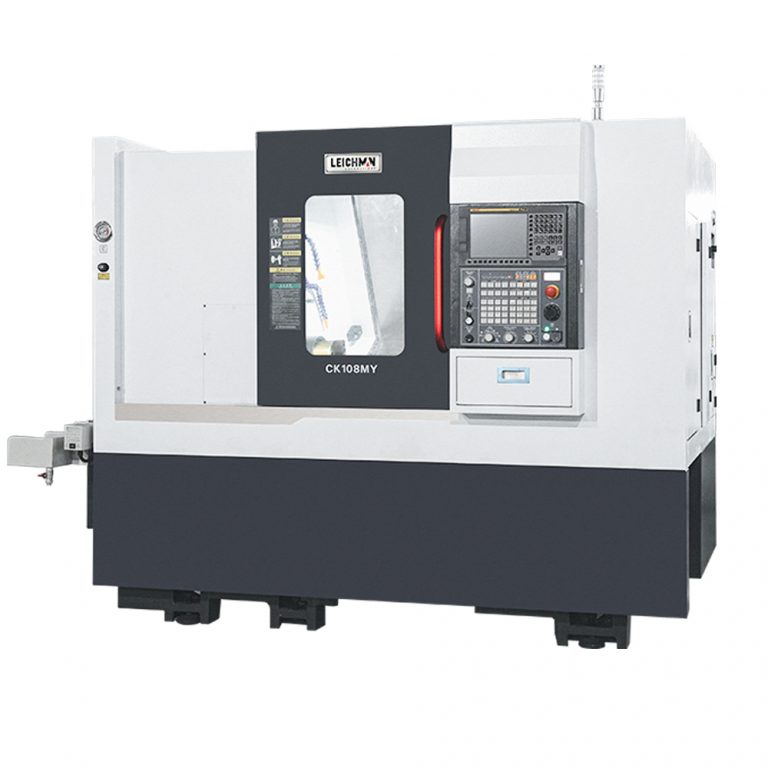
Part 2 — Uncovering the Deeper Problem: Why Hybrid Machines Still Trip Us Up
Let me be blunt: the promise of a turn mill center with y axis often collides with reality within the first month on the shop floor. I’ve seen shops buy a machine for throughput gains, only to find tool change sequences, turret indexing, and spindle mode swaps eating into cycle time. The technical bits—servo turret backlash, spindle runout, complex G-code macros—matter. They add setup time and create fragile processes that break when an operator tweaks offsets or when a new batch of bar material arrives. Look, it’s simpler than you think: the idea is great; the implementation is where most systems fail. In my view, traditional workflows assume perfect handoffs between turning and milling stages, which rarely happen. Operators juggle offsets, tool libraries, and clamping setups while trying to hit takt time; that human element introduces variability. This is not a call to abandon hybrid systems, but rather an invitation to diagnose where the pain points sit—tool changer logistics, collision maps, and the subtle misalignments of axis calibration.
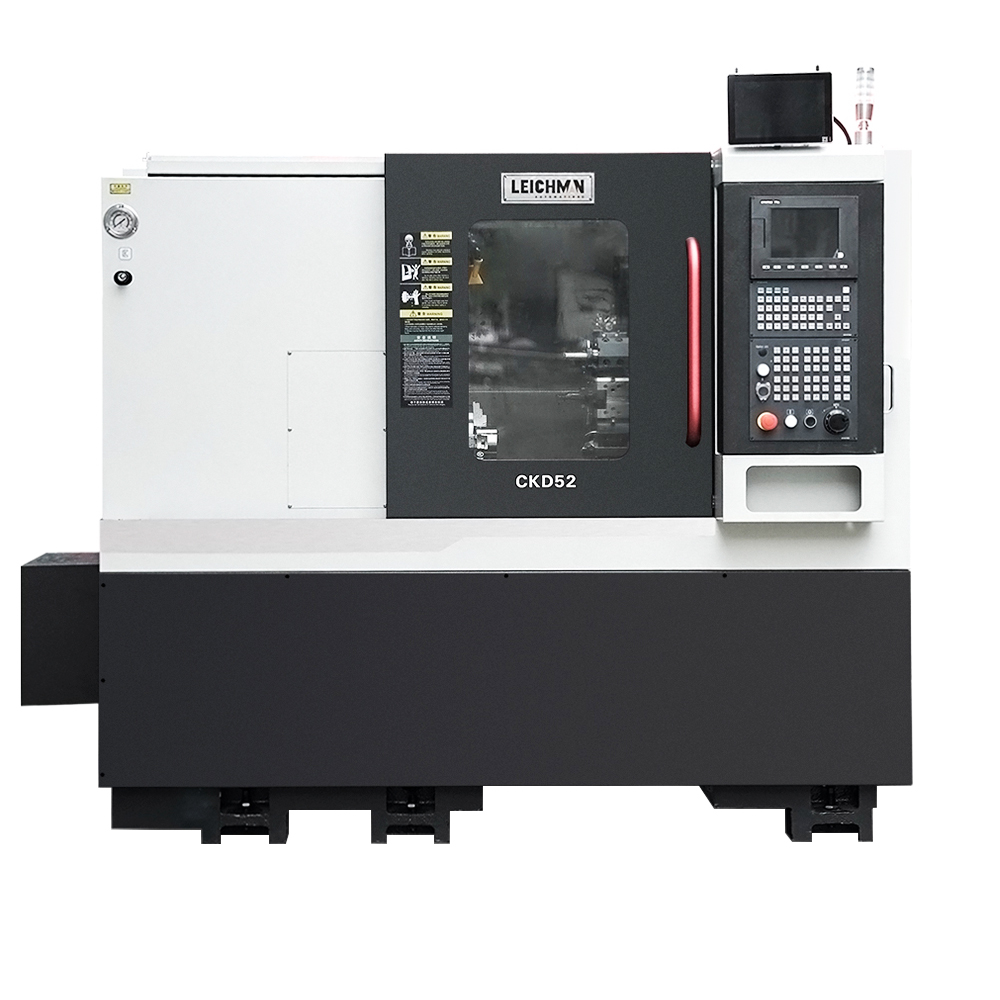
Where does the friction actually live?
In practical terms, friction lives in a few predictable places: the turret not seating precisely (servo turret tuning), spindle mode transitions that require rebalancing (CNC spindle dynamics), and brittle CAM post-processors that output unreadable or unsafe G-code. I’ve recommended incremental fixes—tune the servo gains, standardise a toolchanger routine, and simplify fixtures—but the root cause is often a mismatch between software outputs and on-machine realities. The fix calls for both better machine commissioning and clearer, operator-focused procedures. I am candid: addressing these areas costs time and some money, yet the ROI shows up fast in fewer crashes, less scrap, and calmer shifts. — funny how that works, right?
Part 3 — New Technology Principles and a Practical Roadmap
Looking forward, I favour pragmatic technology principles rather than flashy headlines. When evaluating a cnc mill turn center, focus on three design truths: predictable kinematics, transparent control logic, and modular fixturing. Predictable kinematics means the machine reports accurate axis positions and compensates cleanly for the Y-axis during combined operations. Transparent control logic means readable, maintainable macros and clear spindle state transitions so operators can diagnose issues without sifting through cryptic files. Modular fixturing reduces setup permutations and keeps the toolpath consistent. These principles reduce the “operator guesswork” that causes most delays.
What’s Next — Practical Steps to Adopt
Start by insisting on a thorough factory acceptance test that includes combined turn-mill cycles, not just isolated drills. Train a small core team on both CAM output and on-machine troubleshooting (tool offsets, collision simulation). Invest in a simple checklist and a lean fixture kit to cut setup time. I recommend three evaluation metrics when choosing a solution: 1) Changeover time under realistic conditions; 2) Recoverability after an interrupted cycle (how quickly can you restart safely?); and 3) Tool library fidelity—does the post-processor match the machine’s turret and toolchanger logic? These metrics measure what really matters on the shop floor. They also make vendor claims verifiable. I’ve seen shops double throughput simply by tightening those three areas—measurable, not imagined results. — and yes, it felt good to see teams breathe easier.
In closing, I’ll say this plainly: hybrid turn-mill machines can transform a small shop into a nimble supplier, but only if we pair the hardware with honest commissioning, operator-centred procedures, and clear evaluation metrics. I speak from experience; I’ve watched good machines underperform because no one tackled the small, human problems first. If you want a dependable partner in that journey, consider the thoughtful engineering and practical support at Leichman.
