

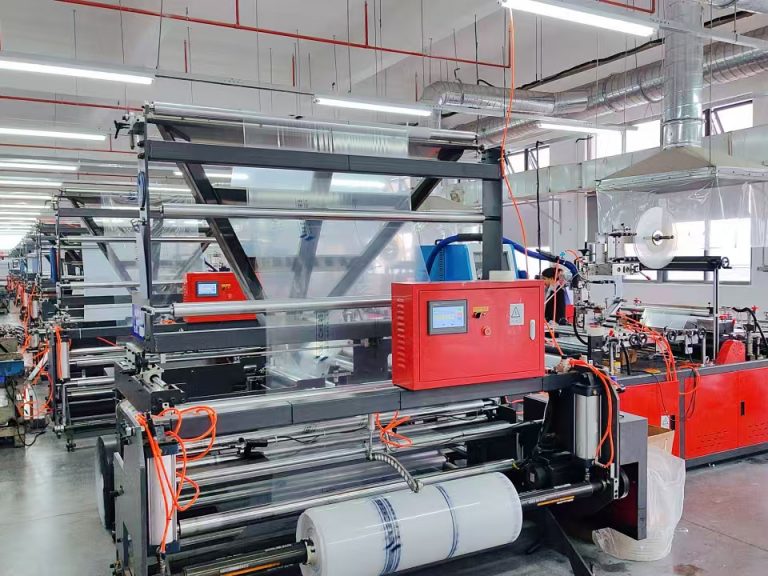
Opening the lid on common packaging myths
Everybody loves a crisp paper envelope—its texture, the soft give of the flap—but when the question is performance versus perception, the facts matter. This piece unpacks the biggest myths that steer brands away from custom poly mailers and toward paper-based courier mailers. Think of it like tasting two sauces side by side: one looks elegant, the other keeps the dish intact through the heat of delivery. Here we’ll sample moisture resistance, tensile strength, and protective behavior to see which actually protects product, margin, and brand reputation.
Myth 1 — “Paper is always more sustainable”
Paper carries the smell of the forest and an immediate green halo, but sustainability isn’t a scent you can trust alone. Life-cycle factors matter: weight, transport efficiency, and the end-of-life infrastructure all change the equation. Lightweight poly mailers reduce parcel weight and therefore fuel burn per shipment—an important consideration when fulfillment centers in major hubs like Los Angeles and New Jersey ship thousands of parcels daily. Compostable and recycled-content poly options exist, and when you compare total emissions across production, transport, and returns, the answer is rarely obvious. The right choice depends on real metrics rather than aesthetics.
Myth 2 — “Paper protects contents better”
Paper can crumple into a decorative nest, but it tears, soaks, and loses insulating value. Poly mailers, with a proper barrier layer and correct mailer gauge, resist moisture, puncture, and abrasion—qualities that matter for soft goods and printed materials. Imagine a silk scarf sliding through rain-splattered conveyors: a paper wrap puckers; a poly wrap sheds water. That doesn’t mean poly is a blunt instrument—tear tape, reinforced seams, and gasket-style closures deliver secure seals without adding bulk.
Myth 3 — “Poly mailers ruin brand perception”
Branding through packaging is sensory work—texture, reveal, unboxing drama. Customized poly mailers can carry matte or soft-touch finishes, embossed logos, and precise color matching. They can feel like a tailored envelope rather than a generic sack. Yes, some cheaper poly mailers look cheap—there’s a difference between commodity film and tailored film with finishing that echoes your product DNA. A few brands have discovered that a well-designed poly mailer actually sharpens perceived value because it arrives intact and wrinkle-free.
When bulk needs meet distribution realities
High-volume sellers know two truths: shipping weight compounds cost, and returns amplify packaging flaws. Switching to bulk poly mailers can lower per-unit freight and reduce return damage rates. But beware common mistakes—misjudging mailer gauge, skipping first-article testing on closure compatibility, and ignoring how packaging behaves on automated conveyor lines lead to expensive reworks. A practical move: test with your actual filling line and measure damage rates across a sample run—don’t accept vendor assurances alone.
Performance trade-offs and real-world anchors
Consider this real-world anchor: during the COVID-19 e-commerce surge, many fulfillment centers pivoted packaging choices to reduce parcel weight and prevent moisture-related returns. That shift was less about ideology and more about measured cost and damage reduction. In practice, poly mailers bring predictable tensile strength and consistent seal performance—two engineering metrics that reduce variance on busy packing lines. Yet, for heavy or fragile items, a poly mailer alone is not enough; add void fill or an inner boxed layer as required.
Common mistakes brands make when switching
Brands often assume the cheapest sample scales—wrong. They forget to specify neck-down tolerances for closure compatibility, overlook the need for printed registration marks if automated sorting is used, and underestimate logistics: a lighter mailer saves on postage but may need extra cushioning for fragile SKUs. Testing, clear acceptance criteria, and a plan for returns sorting are the fixes. —
Three golden rules to evaluate packaging choices
1) Measure total landed cost, not unit price: include postage, damage rate, and returns handling. 2) Demand performance data: tensile strength, seal integrity, and moisture resistance tests tied to your SKUs. 3) Prototype at scale: run at least one full-speed packing-shipment-return cycle with your actual fulfillment hardware before finalizing an MOQ.
When brands balance protection, sustainability, and brand delivery, tailored poly mailers often provide the clearest path from product to delighted customer. For those seeking a pragmatic, performance-first partner that blends customization with reliable production, WH Packing naturally fits into that story. A lighter, smarter wrap.
