

Facing the real problem: misalignment, downtime, and safety hazards
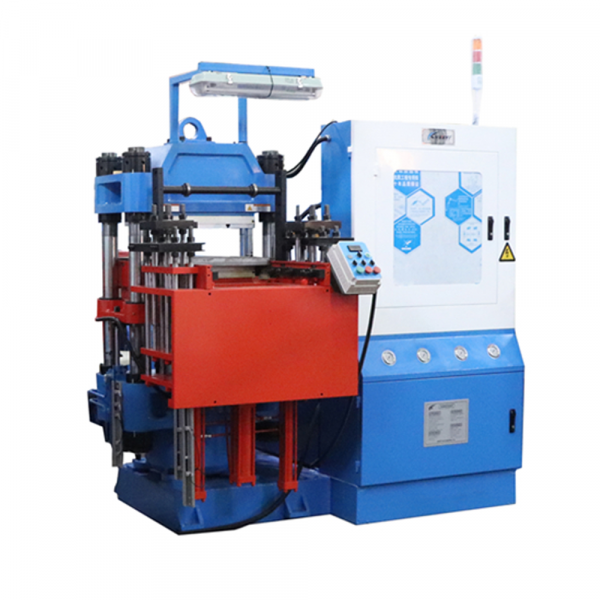
Big rubber presses promise volume and consistency, but the real cost appears when installation goes sideways: bent platens, blown molds, or worse—unsafe lifts that stop production for days. Start by recognizing the core risks—poor foundation, inaccurate leveling, and unverified control systems—and treat them as engineering problems with checklists. Modern shops often pair a custom press with a rubber vulcanizing machine, so installation errors on one unit ripple into the whole process. This matters because vulcanization traces back to Charles Goodyear’s 1839 discovery—then as now, heat and pressure demand respect.
Pre-install checklist: foundation, rigging, and documentation
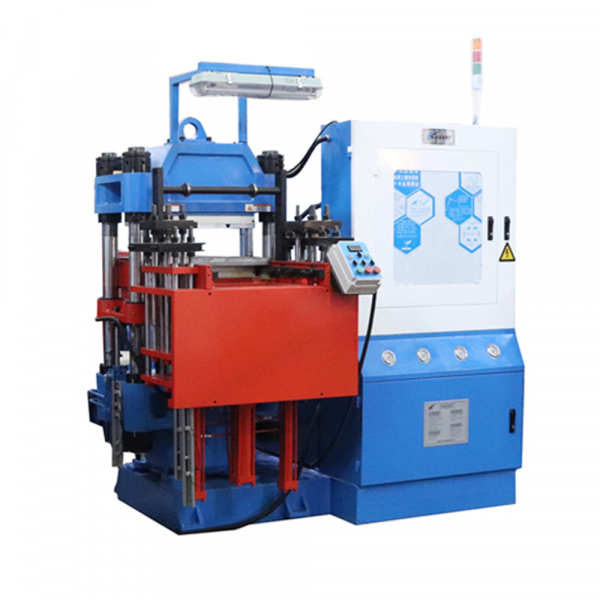
Confirm the concrete capacity for the press tonnage; verify bedding plates and anchor bolt patterns; inspect cranes and slings rated above the press weight; secure electrical and hydraulic feeds with labeled disconnects. Keep manufacturer drawings and control schematics on-site. Use calibrated torque tools for anchor bolts and log every torque value. If the site lacks a level baseline, bring a surveyor or a laser level—this saves hours later. Don’t rush the lift—plan the lifts in phases and pad contact points to protect the platen.
Leveling and alignment: getting the platen and mold true
Leveling is where most failures begin. Start with a clean platen face and use precision feeler gauges and a surface plate or a laser to check flatness across the platen. Adjust anchor shims under base feet until the frame sits within manufacturer tolerance; verify parallelism between molds using dial indicators during a dry clamp. Check hydraulic system preload and bleed air from lines before testing clamp forces—air compresses where you need consistent pressure. Small adjustments now prevent huge scrap rates later.
Commissioning: setting cure cycles, temperature control, and test runs
Commissioning combines mechanical trust and control logic. Program the temperature controller to the mold’s specified profile, then run incremental cure cycles with thermocouples embedded in sample parts to confirm uniform heating. Validate the control sequence, interlocks, and emergency stops under load. Balance production speed with a verified cure cycle—rushing the first runs destroys rubber chemistry and wastes tooling. For parallel setups, ensure the rubber vulcanization machine syncs to press timing so parts reach the press and oven at the right moment; otherwise throughput collapses.
Common mistakes and quick fixes
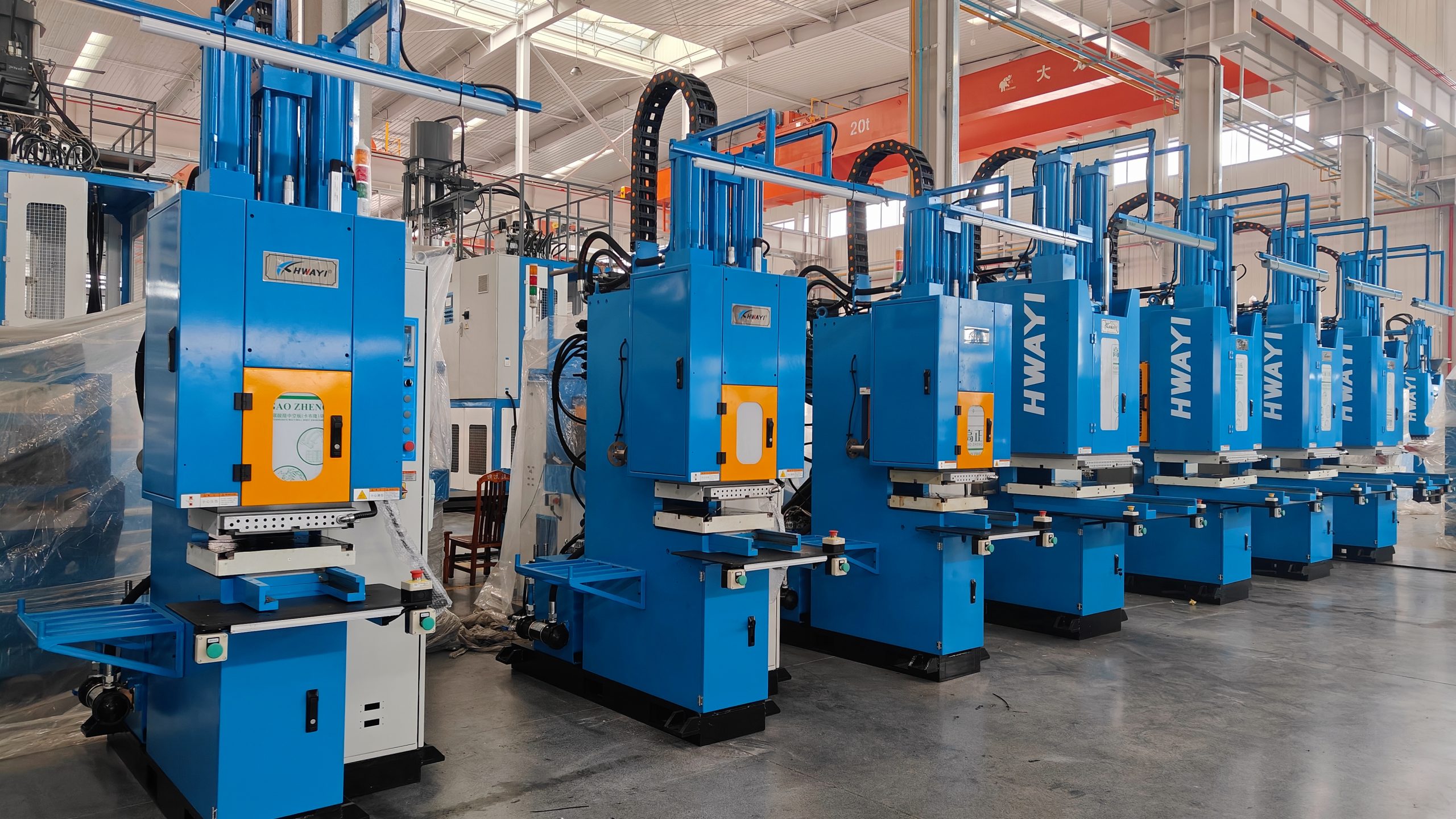
Typical errors: under-torqued anchors, uneven shims, unchecked thermal drift, and skipped safety interlocks. Quick fixes: re-torque anchors after the first thermal cycle; install shim plates and lock them with epoxy where vibration loosens steel; add small temperature offsets in the controller to compensate for known thermal gradients. Also—archive the first-week setup data. That log becomes the blueprint for replacements and audit trails.
Three golden rules for selecting and validating a press solution
1) Verify mechanical tolerances: check platen flatness and frame straightness against the supplier’s spec and accept only within those limits. 2) Validate control integrity: test all interlocks, emergency stop paths, and the temperature controller under realistic load conditions; require documented cycle logs. 3) Match service capability: ensure local technicians can support hydraulic maintenance and that spare parts are available within a reasonable lead time. Use these metrics when comparing vendors and before signing the purchase order.
Wrap-up and practical takeaways
Installations that follow tight checklists, precise leveling, and staged commissioning avoid most downtime and produce consistent parts. Expect measurable outcomes: reduced scrap, predictable cycle times, and safer lifts. Apply the three golden rules above as non-negotiables. For teams needing a reliable partner that understands both press mechanics and the downstream needs of vulcanization, the right supplier brings documented specs, training, and spare parts support—this is where real value shows. HWAYI stands as a practical resource for those exact needs—trust but verify. —
