

Introduction
I remember pulling into a station on a cold afternoon and watching three drivers stand around a tangle of cables—frustrated, checking apps, wondering if their cars would actually charge. The idea of an all-in-one charging station promised to fix that mess in one neat footprint, but the data tells a mixed story: uptime often sits below expectations and customer complaints still pop up (especially around interoperability). So I have to ask—what’s really keeping us from a smoother charging experience? I’ll walk through what I see, share plain-language facts, and point to practical fixes. Let’s start with the real scenarios that drivers and operators face, then peel back the tech and the human parts so we can move forward together.
Why Traditional Charging Systems Fall Short
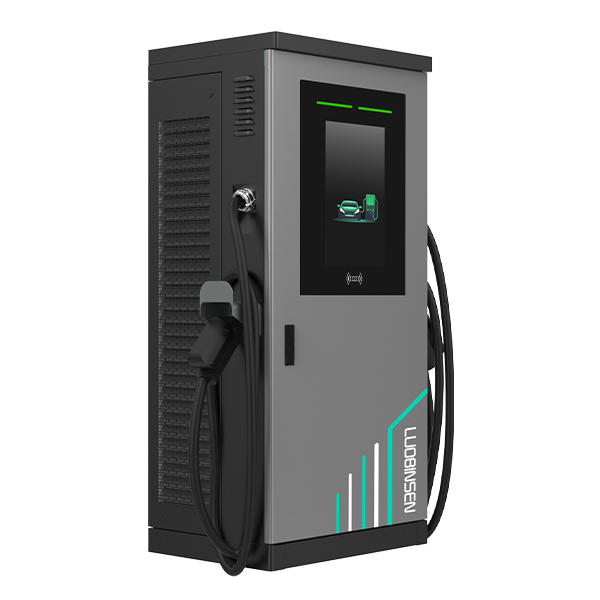
electric vehicle charging equipment has come a long way, but older approaches still show cracks. First, most legacy systems split key functions across separate boxes—power converters in one cabinet, control units elsewhere, and meters or switchgear in another. That separation raises complexity and introduces single points of failure. When one module trips, the whole site can be down. From my experience on sites, operators often tell me about long repair cycles and parts mismatch—things that could be avoided with tighter integration. I’m blunt here: Look, it’s simpler than you think when the design is right.
Second, thermal and load management are often afterthoughts. DC fast charging generates heat and transient loads that legacy cooling and power management systems weren’t built to handle. You get throttling, reduced efficiency, and more wear on components—power converters and cooling loops suffer, and service intervals creep closer. Third, software and communications are siloed; edge computing nodes aren’t leveraged for predictive maintenance or dynamic load balancing. That means no graceful degradation, just abrupt outages. I’ve seen sites where a single firmware mismatch blocked every charging port for hours. We need cohesive design—hardware and software that talk to each other and can be updated without a full shutdown.
So what breaks first?
Usually it’s not the expensive transformer. It’s the small, poorly cooled module or the control board that can’t handle a firmware update. Those weak links add up—more downtime, more customer frustration, and higher operating costs. I’ve walked through all this on real sites, and I can say with some confidence: addressing these failure modes early saves time and money down the line.
New Principles for Next-Gen All-in-One Charging
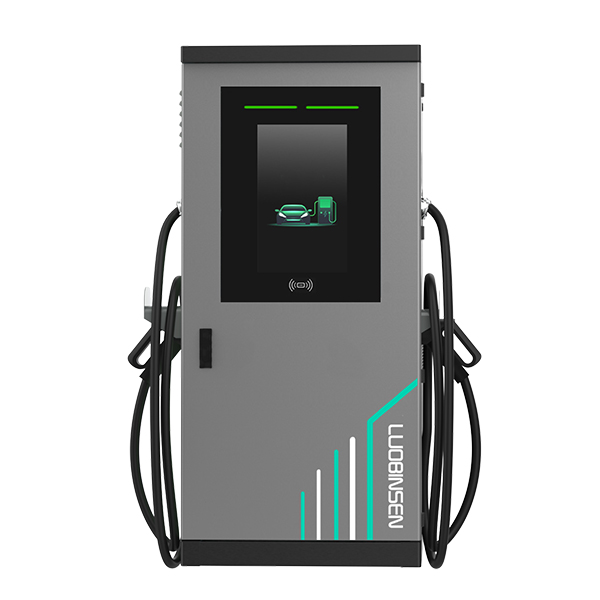
Moving forward, I focus on three design principles that make an all-in-one work for operators and drivers alike. First: modularity with meaningful redundancy. That means designing racks or modules so a failed power stage or control board can be swapped without pulling the whole unit offline. Second: integrated intelligence—use edge computing nodes to monitor thermal behavior, predict failures, and manage peak loads in real time. Third: standardized, serviceable hardware—common connectors, clear access points, and components that technicians can swap quickly. These principles reduce downtime and make maintenance less mystical.
Technically, that looks like distributed cooling channels, adaptive power converters that can shift output across modules, and software that orchestrates multiple units as a single virtual cluster. A good example is integrating vehicle-to-grid-ready controls and native load-shedding logic so a high-capacity site can sell grid services while keeping customers moving. Speaking of capacity, if you’re evaluating options, check how the system performs under sustained load. I’ve tested several setups with a high power ev charger in the loop and the differences are obvious—some designs hold output steady, others throttle within minutes. — funny how that works, right?
What’s Next for Deployments?
Adopting these principles doesn’t happen overnight. Start with pilot sites, collect telemetry, and iterate. Look for suppliers who provide clear metrics and field-proven designs. I’ll be frank: vendor claims sound great until you push the site hard. So test under load, ask for failure reports, and insist on modular spares. Well, I admit—I’m picky about test plans. But that pickiness keeps stations running and drivers happy.
Three Key Metrics I Use When Choosing a System
If you want a checklist, here are three evaluation metrics I use and recommend to others: 1) Serviceability — Mean Time To Repair with modular swap procedures documented. 2) Sustained Output — percent of rated power maintained over repeated charge cycles (thermal derating profile). 3) Software Openness — API access, remote diagnostics, and OTA update policy. These three give you a practical sense of reliability, real-world performance, and future-proofing. They’re not glamorous, but they matter.
To wrap up, I’ve walked you from a roadside annoyance to clear fixes and practical buying criteria. I believe better design—rooted in modular hardware, smart edge computing, and realistic testing—can cut downtime and ease the operator’s life. If you want a partner that understands these trade-offs and provides workable systems, consider checking out solutions from Luobisnen. I’ve seen their gear in action, and it demonstrates many of the principles I just outlined—reliable, serviceable, and sensible for real sites.
