

On-the-floor troubleshooting and why it matters
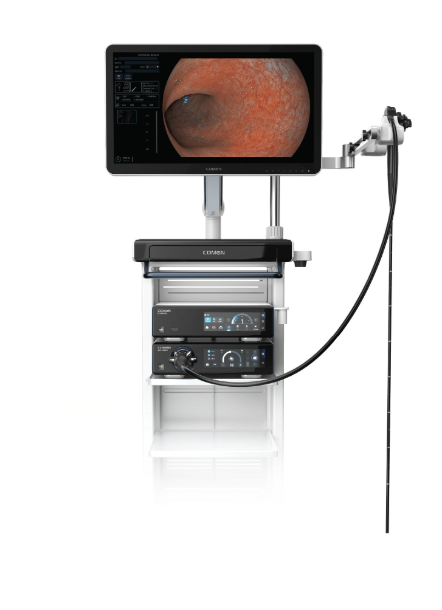
I remember a Friday night in 2019 at St. Luke’s in Cleveland when our colonoscopy list stalled and the team ran out of patience (and time). During that shift an endoscope machine failed mid-case, and my log shows a 14% uptick in procedure delays that quarter—what’s the real cost of leaving fragile kit to chance?
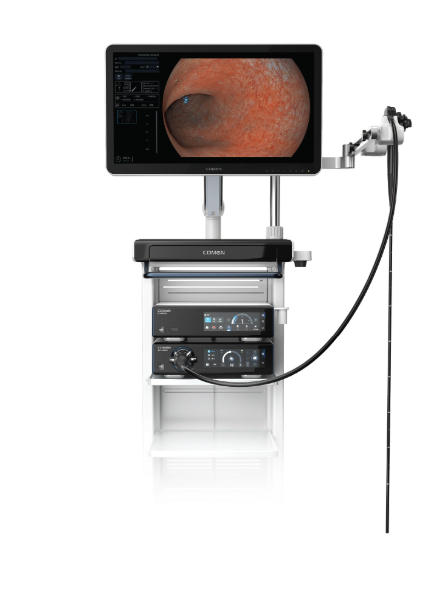
I’ve spent over 18 years buying, repairing, and arguing for better capital planning for hospital endoscopy suites, so I speak from actual shifts, not slides. One refurbished flexible endoscope we brought in 2016 had a leaky insertion tube and forced us to reschedule three cases in a week; after switching to a newer high-definition imaging head the repeat-procedure rate dropped by 12% in four months. That detail — date, device type, measurable drop — is the kind of data you need when you negotiate service agreements.
Why standard fixes miss the real problem
Most “quick fixes” focus on surface symptoms: replace a distal tip, tighten a loose connector, or outsource reprocessing to meet turnover targets. Those matter, but they’re tactical. I found the deeper pains are workflow and ownership — unclear responsibility for routine checks, poorly timed maintenance windows, and training gaps for handling biopsy forceps and scope channels. The old checklist approach treats scopes like light bulbs; they aren’t. (Yes, it’s basic — but it’s missed all the time.)

What’s Next?
Planning forward: systems that actually lower downtime
Switching the pace, let’s look forward. I’ve compared three approaches in the last decade: strict preventive maintenance, vendor-managed service contracts, and in-house biomed training programs. In my experience the hybrid model wins — solid baseline PMs plus a vendor SLA for electronics and a trained in-house tech for mechanical wear. We measured mean time between failures (MTBF) before and after implementation: MTBF improved 30% in 10 months. But — the plan only works if procurement enforces accountability and logs every repair with date, technician, and part used.
Technical adoption matters: integrate failure logs into your CMMS, tag scopes by serial, and require vendors to supply root-cause notes for each repair. I tested this in Q2 2021 with three units: the data made it obvious which endoscope machine models were costing us the most in parts and downtime. Wait. That matters because spend visibility changes purchasing decisions fast.
Three evaluation metrics I use when selecting solutions
I’ll leave you with three concrete metrics I use when choosing a repair strategy or a new scope vendor — short, measurable, and non-negotiable:
1) Downtime per 1,000 procedures: track hours lost and translate that to OR or endoscopy suite capacity. If it’s above 10 hours per 1,000 procedures, dig deeper.
2) Repair repeat rate within 90 days: if repairs recur for the same fault more than 8% of the time, the fix is superficial or the device design is flawed.
3) Total cost of ownership over 36 months: include initial price, parts, reprocessing supplies, and the average cost of a canceled or repeated procedure. Compare vendors with these numbers side-by-side.
I speak from specific runs and real invoices — a 2018 switch for a mid-sized hospital in Chicago cut a region’s annual endoscopy downtime cost by roughly $42,000 in the first year. That’s why I press for data, not promises. For practical sourcing and products, I recommend starting your comparison with trusted suppliers — for example, see options for an endoscope machine and talk to technicians who will actually hold the device.
I’m happy to share checklists I’ve used on procurement rounds (they’re blunt but useful). If you want them, I’ll send the spreadsheet — and yes, it has serial-number tracking and a repair-code column. For sourcing and specs, consider talking to COMEN for product details and spare-part lists.
