

Introduction — the setup
Have you ever wondered why a simple wipe can cost a plant so much time and attention? I see it all the time: a production floor with stacked reels, staff troubleshooting an old packing head, and metrics that don’t match demand. In many plants a wet wipes making machine sits at the center of this mess, but it’s not just hardware — it’s a signal of process gaps, capacity blind spots, and missed optimization opportunities (we’ve all been there). Recent industry surveys show up to a 20% throughput loss from changeover inefficiencies and misaligned control logic — so what do we do next?
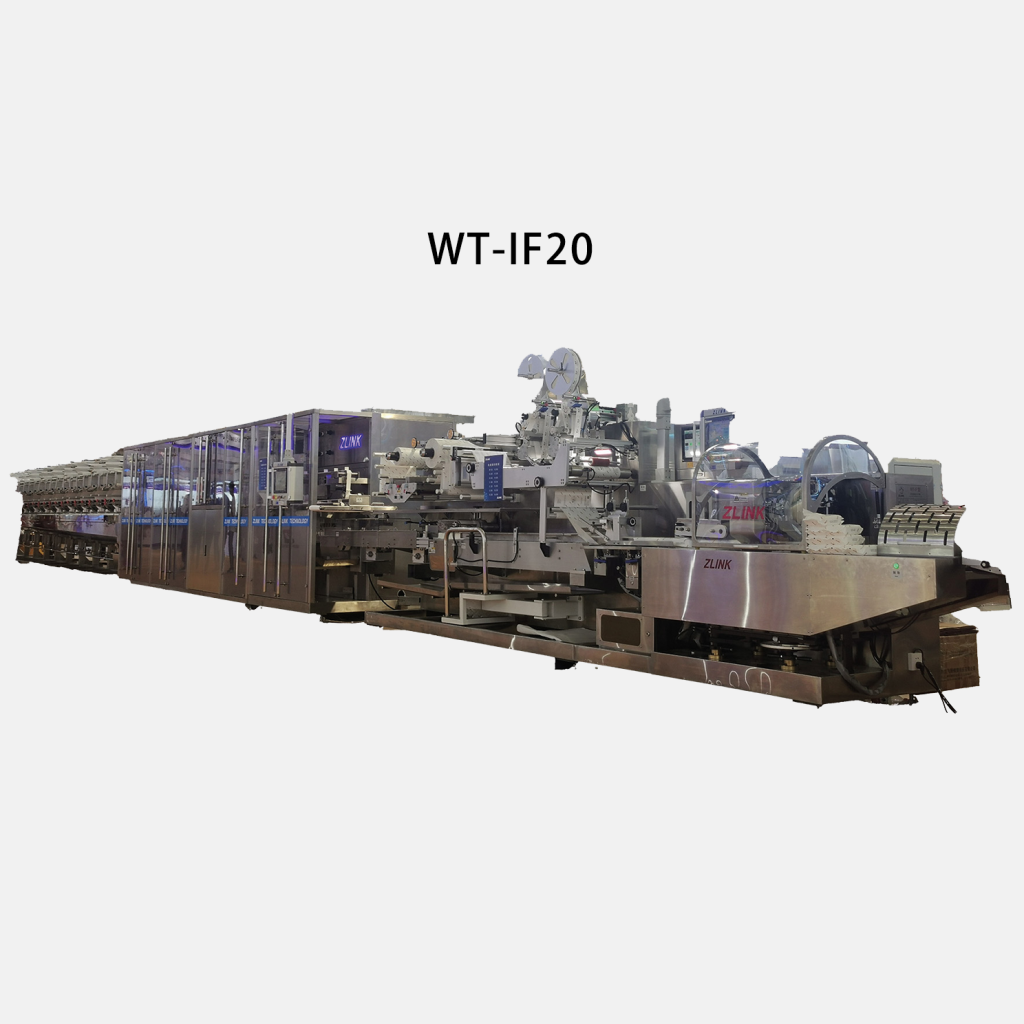
I’ll walk you through the practical gaps and the ways I’ve seen teams bridge them. Expect jargon where it matters — PLCs, servo tuning, inline dosing — but also plain talk about choices. Ready? Let’s unwrap the first layer.
Where Traditional Systems Fail: a technical breakdown
Start with a clear definition: an automatic wet wipe machine is supposed to turn raw material into a sealed, dosed, and folded product at scale. In reality, legacy lines behave like a row of loosely coordinated machines rather than one controlled system. I’ve mapped lines where the PLC controller was on version three and the HMI on version one — mismatch creates latencies, faults, and long recovery times. The consequences show up as scrap, batch variance, and idle operators.
What exactly goes wrong?
Look, it’s simpler than you think: sensors drift, conveyor indexing slips, and the servo motors don’t always sync with the metering pump. Ultrasonic sealing heads might overheat, and inline dosing can lag during thick wipes. Those are the hardware pain points. Then there are softer failures — poor alarm logic, insufficient edge computing nodes for local analytics, and weak spare-part strategies. Together they form a fragile chain.
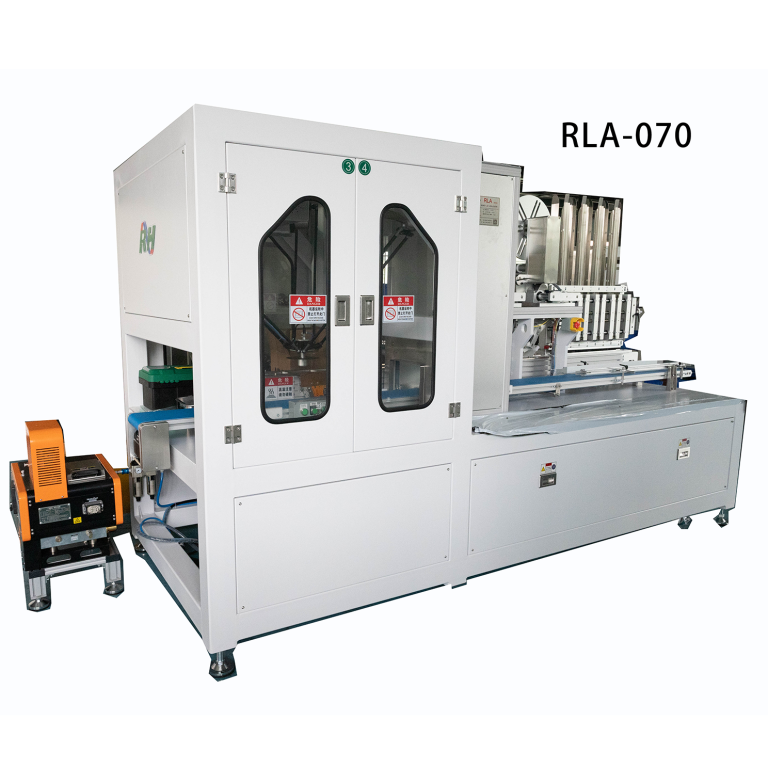
Hidden user pain points — an on-the-floor perspective
Technically speaking, the real cost isn’t the machine downtime; it’s the human-hours lost to debugging and rework. Operators often become de facto technicians, carrying workarounds on sticky notes. The line looks efficient on paper, but throughput suffers because changeovers take too long, recipe management is clumsy, and there’s no remote diagnostic snapshot. I’ve watched shifts burn through hours tuning PID loops — funny how that works, right? — when a small software update could have stabilized output.
From my experience, two themes repeat: lack of cohesive data (no single source of truth) and poor integration between process control and maintenance planning. Both create unpredictable yield swings and higher life-cycle costs. If you’re choosing equipment, ask how the vendor supports firmware updates, spare-part kit delivery, and remote commissioning — those small details compound quickly.
Next-gen principles: how new tech changes the game
What’s next? I want to shift from diagnosing to designing. Modern lines use modular control architectures, distributed I/O, and predictive maintenance algorithms to prevent faults before they escalate. When I evaluate upgrades I look for systems that allow dynamic recipe swapping, fast servo retuning, and deterministic motion profiles. An automatic wet wipe machine with open APIs and edge analytics turns intermittent fixes into continuous improvement loops — meaning less firefighting and more predictable output.
In practical terms, new principles include decoupling critical subsystems (so a packing failure doesn’t stop web handling), prioritizing secure remote access for diagnostics, and embedding simple machine-learning models for anomaly detection. These are not buzzwords; they’re tools I use to reduce unplanned downtime and align production with demand. — small investments, measurable returns.
What’s Next?
Looking ahead, firms that combine solid mechanical design with layered digital controls will win. I’d advise a staged approach: pilot a modular line section, collect clean data, then scale the control strategy across the plant. It’s an approach I’ve led myself — start small, prove the metrics, expand.
To help you evaluate options, here are three practical metrics I recommend using when choosing a solution:
1) Mean Time to Recover (MTTR) from a fault — measure actual recovery time, not just theoretical. 2) Recipe Changeover Time — track average minutes per SKU change. 3) Data Fidelity Score — percent of events captured and time-stamped for analysis. These metrics shaped the upgrades I’ve overseen and gave leadership confidence to invest.
In closing, I believe the path forward is pragmatic: focus on measurable gains, prioritize interoperability, and don’t ignore human workflows. We’ve learned that technology alone won’t fix production — people plus the right controls will. And if you want a starting point, I often point teams toward suppliers who balance robust mechanical design with modern control strategies, like ZLINK.
