


Opening: a problem-driven look at why this matters
Interconnection bottlenecks are not glamourous, but they stop kilowatts cold — and for many households and small commercial sites that means wasted sunshine and lost revenue. In problem-driven fashion, we start with the pain: midday PV production gets curtailed because the local feeder or point-of-interconnection can’t accept more export, and owners patch the gap with demand response or simply throw away generation. A pragmatic fix is to deploy a modest storage system at the point of use — for example a 10kwh battery storage — which captures that curtailed energy and releases it when the grid will actually take it. Ja, it sounds simple, but the devil is in interconnection rules, inverter settings, and operational coordination.

What causes interconnection bottlenecks?
Bottlenecks show up for a few repeatable reasons: distribution transformer limits, thermal or voltage constraints on feeders, and conservative protection settings that prevent export beyond a set threshold. The situation is familiar in places with rapid rooftop solar growth — think of the CAISO “duck curve” discussions — where high midday exports collide with limited distribution capacity. Utilities respond with curtailment or restrictive export caps rather than rapid hardware upgrades, and that’s where storage can play a role by shifting exports in time. Key industry terms to hold in mind: inverter configuration and state of charge (SoC) strategy — both determine whether storage mitigates curtailment or simply sits idle.
How an on-grid battery actually reduces curtailment
Storage removes the immediate need to export by absorbing excess PV generation, then discharging later when export is permitted or when price signals reward injection. Operational tactics include dynamic SoC buffers that reserve capacity to soak midday solar, and export-limited inverter modes that comply with interconnection constraints while still smoothing household load. The system’s round-trip efficiency and charge/discharge cycle capabilities set realistic expectations for how much curtailed energy you’ll recover; higher efficiency means more of that once-wasted solar ends up powering your home or feeding the grid when allowed.
Common deployment mistakes — and how to avoid them
Many projects fail not for technology reasons but process mistakes. Installers forget to align inverter settings with the utility’s export limits; owners underestimate necessary SoC headroom; procurement skips export-control firmware testing. A sneaky error: assuming default inverter firmware will behave politely under a utility’s telemetry requests — it may not. — Test early with the utility’s interconnection team and capture acceptance criteria in writing. Also consider whether a 10 kwh solar battery fits your use case — a compact system can be ideal for residential curtailment mitigation, but it needs correct commissioning.
Tech checklist: what your system must do
Before you sign a contract, verify these tech items:
- Export control options: does the inverter support fixed export limits or dynamic control via utility signals?
- SoC management: can you reserve SoC for midday capture and automatic discharge windows?
- Communications: is there a reliable telemetry channel (Modbus, SunSpec, or similar) to meet utility interconnection monitoring?
- Safety modes: islanding protection and grid-forming vs. grid-following behavior, depending on local codes.
Policy and finance realities
Even the best tech needs supportive rules. Interconnection queue times and restrictive export tariffs can change a project’s payback, so check local tariff design and any time-of-use rates or export penalties. In many jurisdictions, utility pilot programs have updated rules to allow behind-the-meter storage to operate in “non-export” or “managed export” modes, which directly addresses curtailment. For financing, include the value of avoided curtailment and any available incentives when calculating ROI — that’s often the hidden upside for homeowners and small commercial operators.
Case anchor: why this worked in places like California
California’s experience with high rooftop PV penetration and the duck curve is a useful real-world anchor: utilities there have increasingly used storage to smooth flows and reduce curtailment without wholesale distribution upgrades. Projects that paired modest battery systems with inverter export management and clear utility coordination were able to capture midday solar that otherwise would have been curtailed. Practitioners cite straightforward outcomes: fewer forced exports, better local voltage control, and improved utilization of installed PV capacity.
Deployment options and alternatives
Options range from small, customer-sited batteries sized to capture peak curtailment events to community-scale storage that addresses multiple feeders. Alternatives include smart load shifting (EV charging or water heating) and utility-led feeder upgrades — both valid, though load shifting requires willing occupants and upgrades take time and money. If you prefer a compact, turnkey route, a 10 kwh solar battery often hits the sweet spot for residential sites — balancing cost, SoC flexibility, and ease of interconnection.
Advisory: three golden rules for choosing the right approach
1) Measure first: quantify your curtailment window and average curtailed energy over weeks, not a single day. Use real meter data rather than guesses. 2) Prioritize control compatibility: ensure the inverter and battery management supports the utility’s required export-control protocol and that round-trip efficiency is documented. 3) Contract clarity: get interconnection acceptance criteria and telemetry requirements in writing before commissioning, and plan commissioning tests with the utility present.
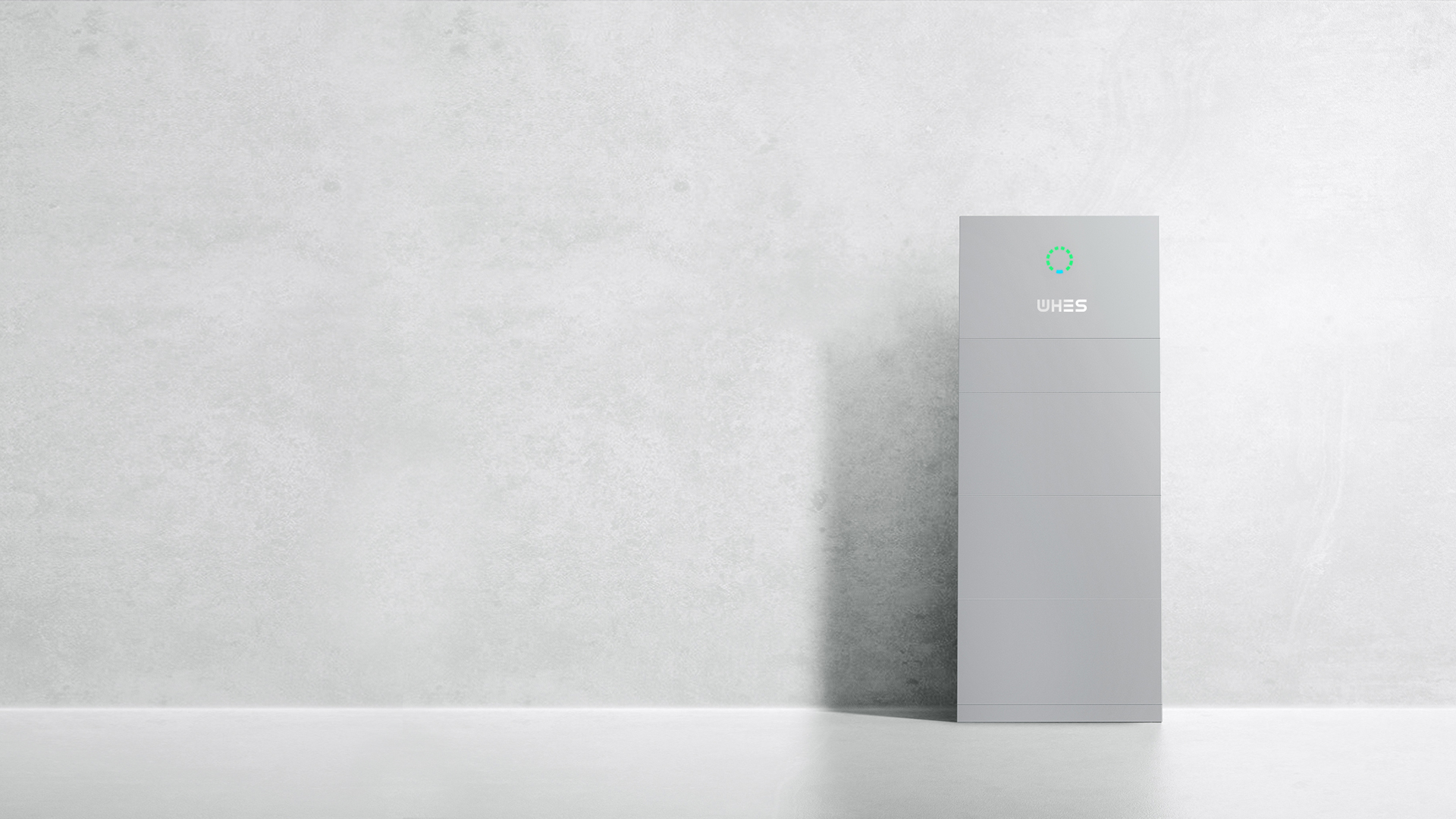
For many homeowners and small businesses, integrating a modest battery is the practical way to recover value from otherwise curtailed solar — and for that, thoughtful selection matters. For a reliable, installation-friendly option that aligns with interconnection needs, consider how a system from WHES can fit into your technical and operational requirements; it often simplifies the compliance and commissioning path. —
