

Introduction — a quick floor story
I was on a plant floor last spring watching a line that should have been singing along at 120 cartons a minute. The automatic case packer had just hiccuped — again — and the supervisor sighed like it was part of the job. (We all have those days.)
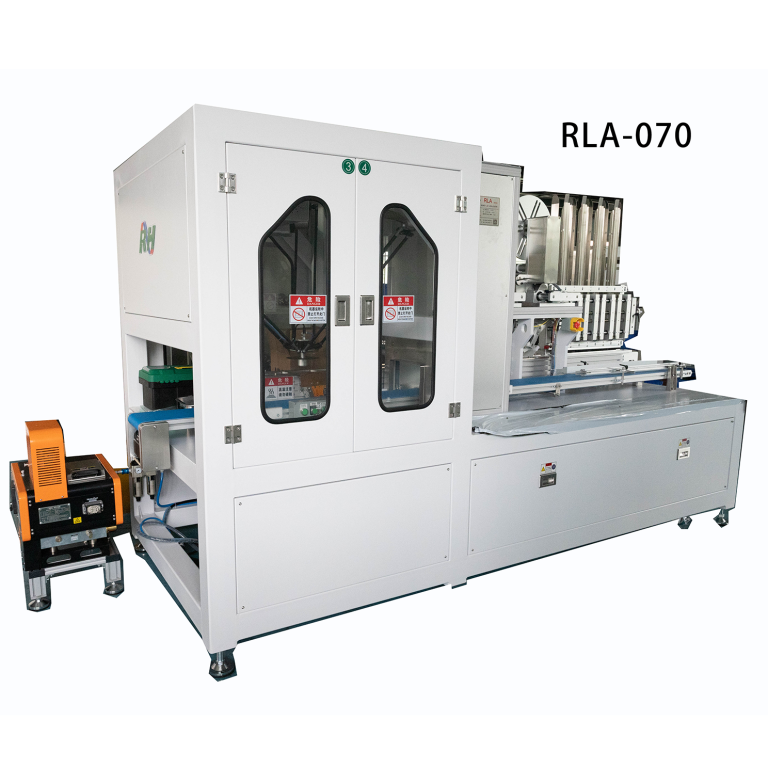
Data tells the same story: small stoppages cut throughput by 10–20% across many sites, and minor rejects add up to real costs. So what actually causes those hiccups, and more importantly, how do we stop them from happening again?
I’ll admit I like digging in. I want to share what I’ve learned without the fluff. We’ll look at where common fixes fall short and then point to practical steps you can try tomorrow. Stick with me — you might find a fix that feels obvious after you see it laid out.
Next, I’ll pull back the curtain on the usual band-aids teams reach for and why those often miss the mark — then we’ll talk about real, testable changes.
Deep dive: Why traditional solutions fail
automatic case packer manufacturers often push standard upgrades — faster servo motors, a new PLC program, or a better HMI. Those help. But I’ve seen them used as the only fix, and that’s the problem. Let me break this down: when you swap a motor or tweak the PLC ladder logic without checking material flow, operator practice, and peripheral equipment (like carton erectors or palletizers), the new parts just shift the failure point. It’s a classic case of treating symptoms, not cause.
Start with the real inputs: carton quality, adhesive behavior, and pick-and-place timing. Vision systems can detect skew or wrong orientation early, but if you bolt one in without adjusting conveyor timing, you create more rejects. Edge computing nodes and power converters are great — they give you data and stable drive power — yet they won’t fix a misfed magazine or inconsistent film tension. Look, it’s simpler than you think: align mechanical, electrical, and human factors before you splash out on high-spec hardware.
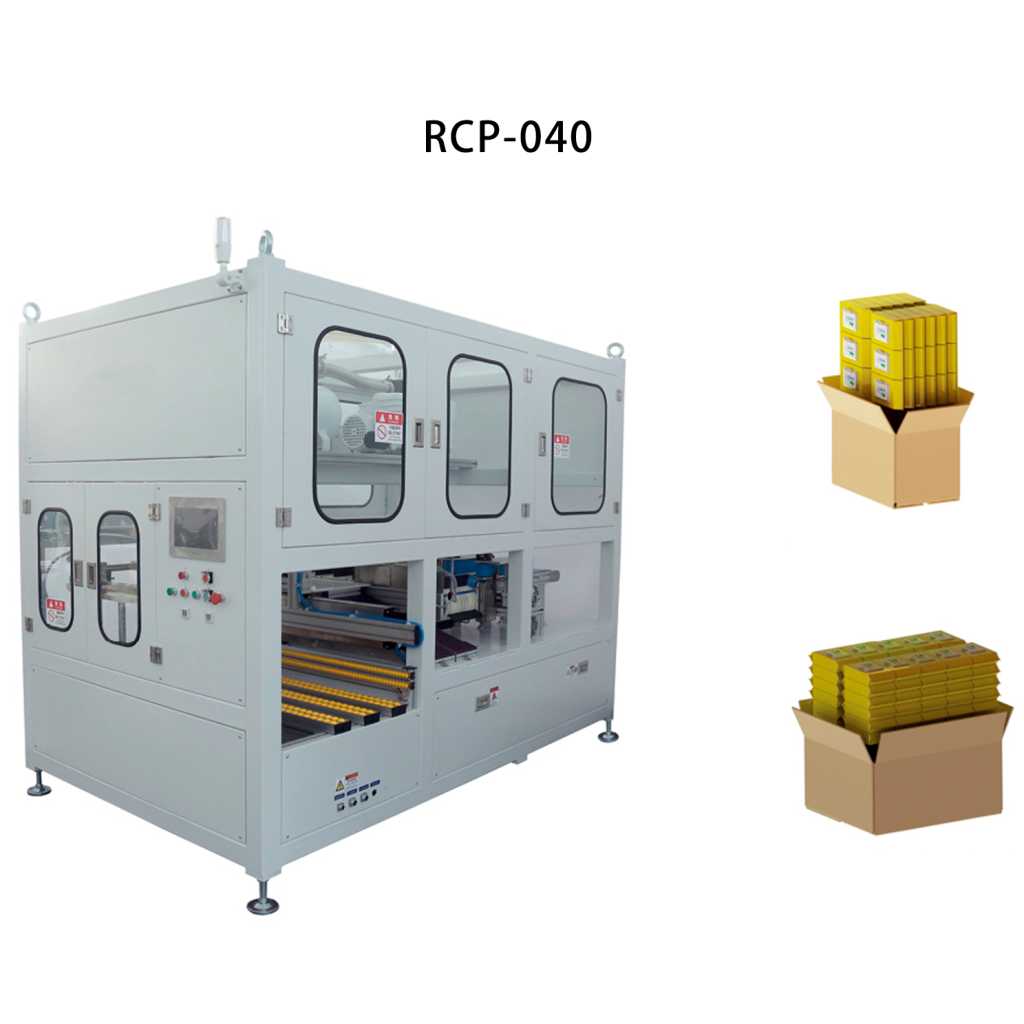
What’s breaking under the hood?
There are a few repeat offenders I see. First, tune-up neglect: belts, sensors, and guides get worn and then confuse the control logic. Second, blind automation: teams assume software will handle low-quality inputs. Third, training gaps: operators revert to old habits under pressure. Each one multiplies the others. I’ve sat with technicians who told me a new servo reduced vibration but only revealed a sticky magazine — the line then stopped more often, not less. That’s why I insist on a layered fix: basic maintenance, quick sensor audits, and simple operator checklists before fancy upgrades.
Forward look: Case example and future outlook
Here’s a short case I worked on. A mid-size food packer added vision inspection and swapped to a higher-torque motor from their usual automatic case packer manufacturers. The motor improved cycle response, but rejects rose for cartons with small denting. We paused, added a low-cost conveyor guide, rebalanced air pressure, and trained staff on a two-step reload routine. Within a week, throughput climbed back and rejects dropped. The lesson: technology is a multiplier, not a miracle. — funny how that works, right?
Looking ahead, I’m bullish on hybrid checks: combine simple mechanical fixes with targeted sensors and a small analytics layer. New principles like modular control and standard sensor suites make upgrades less risky. For teams considering changes, test on one shift first. Run controlled trials. Measure time lost to minor stops, then apply changes and measure again. That process beats guessing every time.
What to measure next?
If you want quick guidance, I suggest three metrics to evaluate any solution: uptime percentage (daily), mean time to recover from a stoppage (minutes), and effective throughput (good cartons per hour). Track these before and after a change. That gives you a clear ROI — whether you changed a guide rail or upgraded to a smarter controller.
I’ll close with a practical nudge: be skeptical of one-off upgrades that promise fivefold gains. Instead, build a short list of mechanical checks, sensor audits, and operator steps. Try them. You’ll often find small changes deliver big wins. If you want a partner to run those trials, I’ve worked with teams who prefer vendors that offer both machines and support — and I recommend starting conversations with the brand I know: ZLINK.
