

Introduction — a small scene, a big question
I was in a local factory last month, watching a line stop because one tiny drive overheated. It was a simple scene but it stuck with me. The machine used an electric motor that looked fine from the outside, yet data from the controller showed frequent voltage dips and rising temps (we all know how that slows production). Recent surveys show downtime costs small manufacturers up to 5% of annual output — a number you feel in the pocket. So I ask: how often do we accept a motor because it fits the budget, not because it fits the job?

I want to share what I’ve learned from the shop floor and from specs. I’ve seen power converters mis-matched to loads, and PWM settings left at defaults — things that quietly erode efficiency and shorten life. When I say ‘we’ here, I mean engineers, operators, and procurement teams trying to keep machines running. This piece will walk through the real pains, the subtle failure points, and a practical look ahead. Let’s move to the nitty-gritty — where most problems hide.
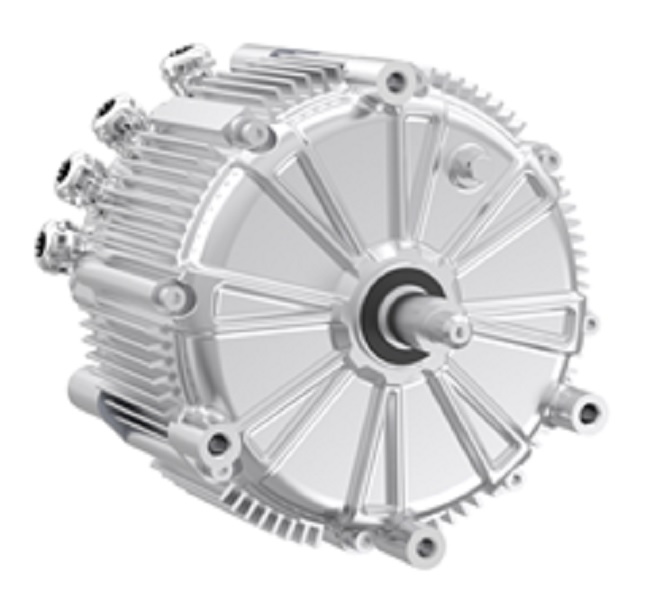
Hidden user pain points with brushless technology
brushless motor systems promise reliability, but I’ve learnt they also bring hidden hassles if you don’t match control to application. First, many teams assume a brushless unit is “fit-and-forget.” That’s not true. The control strategy matters — field-oriented control settings, for example, are often left generic. When the drive and motor aren’t tuned, torque ripple appears, which transfers vibration into bearings and mounts. Over time, that means more maintenance calls and unplanned downtime.
I’ll be candid: operators often face confusing error codes without clear troubleshooting steps. Sensorless control modes are popular to cut costs, but they can struggle at low speeds or with sudden load changes. I’ve seen startups replace whole assemblies when a simple encoder recalibration would have fixed performance. Look, it’s simpler than you think. If your team lacks a clear maintenance checklist that covers motor-driver pairing and thermal profiling, you’re inviting repeat failures. The result is not just repair bills — it’s lost confidence in “modern” drives.
Why does this feel so common?
Partly because procurement focuses on price, not lifecycle cost. Partly because installers treat motor selection like plugging in a lamp. But there’s also a skills gap: technicians may not be taught how PWM tuning or power converters interact with dynamic loads. That’s where small changes — better matching, tighter commissioning — yield big savings.
Future outlook: practical steps and a look at pmsm motor advances
What’s next? From my perspective, we should pair practical moves with smarter tech. Take the pmsm motor trend: permanent magnet synchronous motors offer high torque density and better efficiency, but they demand careful thermal and control planning. We’ve started to see workshops adopt predictive vibration checks and simple current signature analysis to catch issues early. That’s a low-cost move with real impact. — funny how that works, right?
In future designs, integrate modest edge computing nodes at the drive level to log simple metrics: temperature, current spikes, and duty cycles. These data points help you spot overloaded runs before bearings fail. I recommend semi-regular firmware reviews too; updated control algorithms often reduce torque ripple and improve sensorless robustness. The goal is not to overcomplicate but to put a few diagnostics where they do the most good.
What’s Next for teams on the ground?
I’ll finish with three practical metrics I use when evaluating motor solutions. First, look at lifecycle energy per unit of work — not just nameplate efficiency. Second, measure mean time between maintenance under expected loads. Third, check the quality of commissioning tools: can the drive export logs and accept straightforward tuning? Use these to compare options side-by-side. If you want a quick rule: pay a bit more for a motor and drive that make commissioning easy — it pays back fast.
We’ve covered on-floor pain, the tricky spots with brushless systems, and how pmsm motor approaches can help if applied well. I’m no fan of wishful specs; I prefer practical fixes you can test in a week. If you want reliable supplies and sensible support, consider vendors who back up the kit with clear setup routines — like the work I’ve seen from Santroll. They don’t replace judgement, but they do make life easier for teams who actually run the machines.
