

Introduction: Why Side-by-Side Thinking Saves You Miles
I still remember a damp Saturday test ride that turned into a quiet lesson in fit and feel. A cruiser motorcycle looks right from the curb, but the first five minutes tell the truth. In city traffic, most of us roll under 50 km/h, and we live in the lower revs. That’s where comfort, torque delivery, and brake feel show up as hard data. Average cruiser seat heights sit around the mid-600s to low-700s mm; rake and trail are relaxed to keep the bike calm; and the wheelbase is long for stability. But what do these numbers mean when your commute has speed bumps, wind, and a long stoplight? If you want to spot good cruiser motorcycles, you compare how they behave in your real day, not just on a spec sheet (lekker practical).

So here’s a simple idea. Compare use-cases, not just chrome. Map your daily ride to the bike’s torque curve, weight, and ergonomics. Then ask the only question that matters: which one keeps you fresh and confident after an hour? Let’s break it down and go a layer deeper.
Under the Chrome: Hidden Pain Points Riders Overlook
Where do common specs miss the mark?
Most riders chase displacement and seat height, then call it done. That hides some pain. Look at wet weight, gearing, and the torque curve at 2,000–4,000 rpm. That is your working zone. If the ECU mapping is snatchy off idle, low-speed turns feel jerky. If rake and trail are too relaxed for your streets, U-turns become effort, not flow—funny how that works, right? And if the belt drive is geared long, you lug the engine and buzz your hands. The spec sheet won’t tell you how the clutch take-up feels at a sloppy junction. It won’t show how the rear shock copes with a pothole mid-corner. But your wrists and lower back will know.
Traditional fixes try to mask it. Taller bars, fat seats, louder pipes. They do little for brake modulation or slow-speed balance. ABS helps, yes, but lever feel and pad compound still set confidence. Look, it’s simpler than you think: judge by control quality, not noise. Test the first 10% of throttle. Check how quickly the bike settles after a stop. Try a parking-lot figure eight. Small tests expose big truths. Two more signals many miss: heat management around the calves and the reach to the rear brake. Both change your posture over time. On long rides, those tiny details grow heavy. And that is why “good” on paper can still be hard work in life.
Looking Ahead: Tech and Trade-offs in Tomorrow’s Cruisers
What’s Next
The next wave is less about louder engines and more about smarter delivery. Ride-by-wire lets makers shape torque in the lower band without the lurch. Traction control tuned for low rpm can manage wet crosswalks without killing feel. IMU-linked ABS improves stability when the bike is leaned, which matters on long, lazy sweepers. Semi-active rear shocks? Still rare in this class, but expect adaptive damping to creep in. The principle is clean: let sensors trim the edge, so the rider can relax into the mid-corner. Liquid cooling also brings tighter thermal control, which keeps maps consistent on hot days. That steadiness saves your hands and knees over time—small wins, big effect.
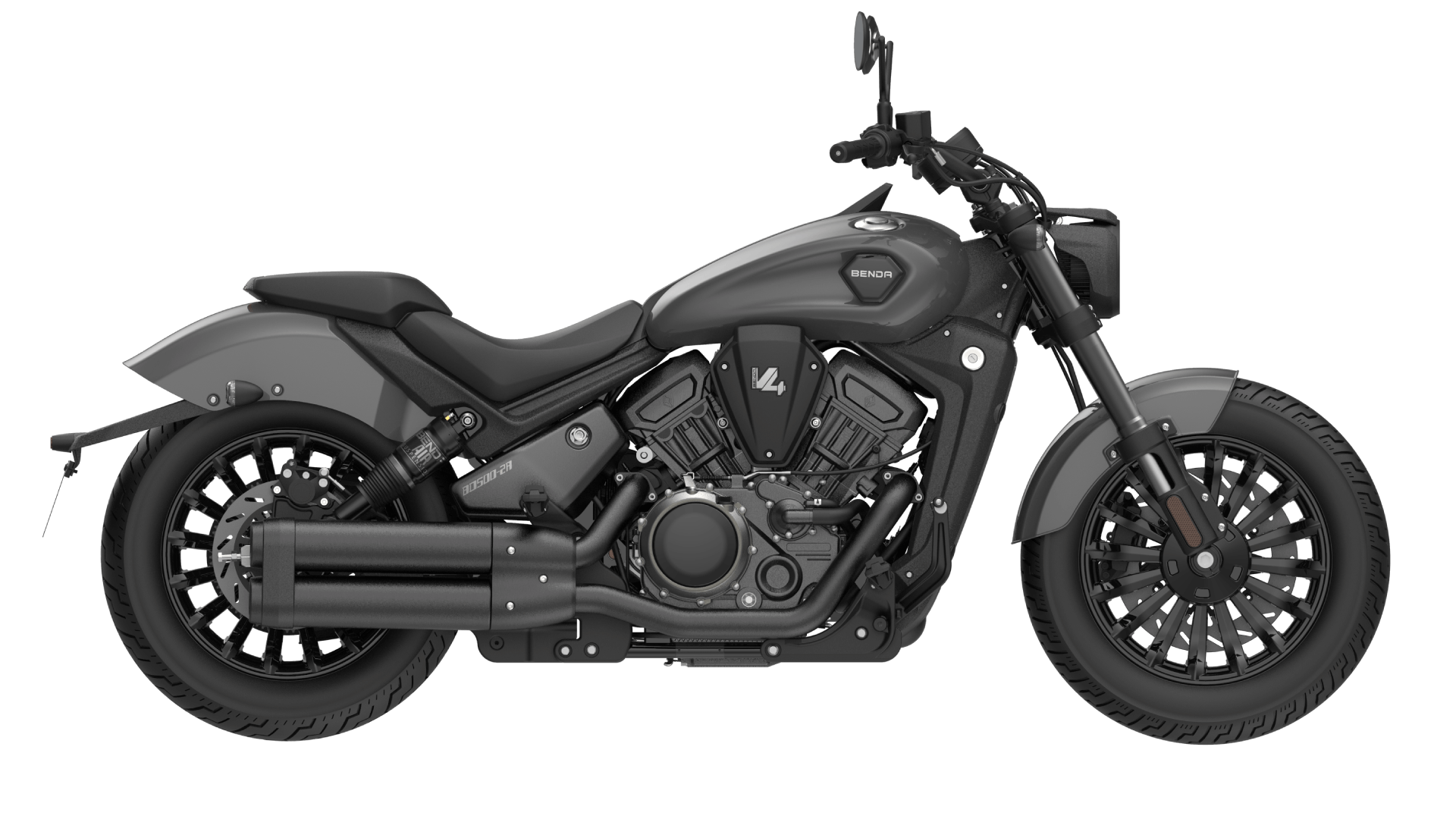
Comparing across cruiser motorcycle brands, you’ll see two tracks. One camp doubles down on classic feel with belt drive, simple gauges, and heavy flywheels. The other leans into tech: multiple ride modes, LED matrices, and cruise control that holds revs in the sweet spot. Neither is “right” for everyone. If you love low-speed poise, pick geometry and throttle tuning first. If you tour, test heat, wind, and saddle shape at 100 km/h. And remember the quiet cost: poor ECU mapping can ruin even the best seat and pegs—no kidding. From the earlier points, the theme is clear: comfort and control live in the first 10% of input, not the last 10% of horsepower.
Advisory close-out: three simple metrics help you choose. 1) Control sensitivity: Is the first 10% of throttle and brake smooth, predictable, and repeatable? 2) Stability at low speed: Can you do tight U-turns without clutch drama, and does the bike settle fast after stops? 3) Heat and posture endurance: After 45 minutes, are knees, wrists, and calves still relaxed, with no hot spots? Keep those three, and you’ll filter noise from signal. For a calm, balanced decision path, keep comparing, keep testing, and ride what fits. BENDA
