

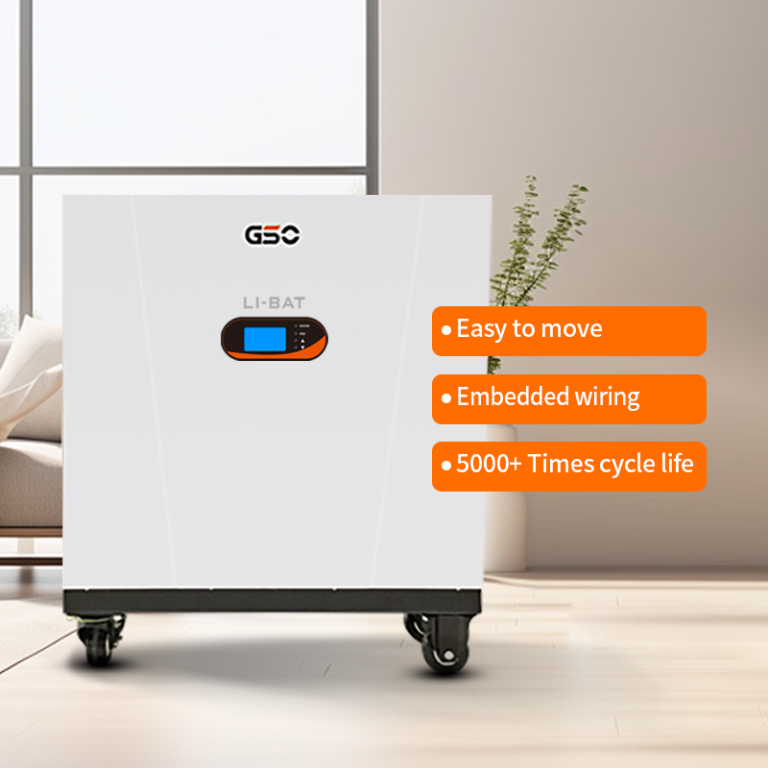
Framework overview
This article lays out a clear framework for buying Class 9 hazardous-certified solar all-in-one units directly from factories. Start with the right specs, confirm certifications, and lock in logistics. Early on, check the PV inverter type and balance-of-system needs — many factories list these on product pages like solar and power inverter. The goal is a repeatable sourcing flow that keeps cost low and compliance high.
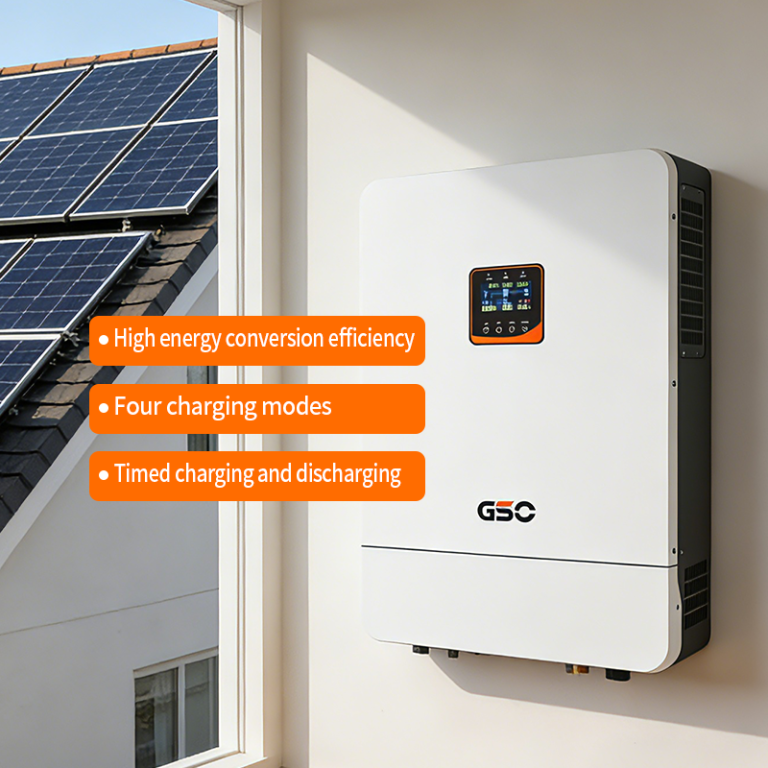
Why Class 9 certification matters
Class 9 covers miscellaneous hazardous items in transport. For solar all-in-one units that include certain batteries or cooling agents, this matters at customs and for carriers. Choosing certified units avoids shipment delays and fines. You also reduce risk on-site: certified designs often include safer battery management system layouts and enclosed inverters that cut fault exposure.
Factory sourcing steps — the five-part framework
Follow these steps in order. They form the backbone of a factory-first sourcing strategy.
– Define functional spec. Capacity, MPPT count, AC coupling, and battery chemistry go here.
– Verify certifications. Ask for test reports tied to the unit, not just component certificates.

– Audit logistics. Check how the factory packs Class 9 items and which carriers they use.
– Pilot and inspect. Order a pilot unit for lab testing and visual inspection on arrival.
– Scale with contracts. Use fixed terms for warranty, spare parts, and transport liability.
Common mistakes and how to avoid them
Buyers often skip document checks or accept sample-only claims. Don’t. A factory might show component certificates but lack an integrated unit test report. Also, unclear INCOTERMS on Class 9 goods lead to surprise costs. Insist on named carriers and verified packing lists. And test the PV inverter behavior under grid disturbances before bulk orders — it’s faster and cheaper than returning containers.
Real-world anchor: lessons from California wildfire seasons
During the 2020–2023 wildfire seasons in California, many sites needed resilient power fast. Systems that combined inverter, battery, and controls in certified enclosures shipped more smoothly and reached field teams sooner. That real-world pressure highlighted two things: integrated units reduce field wiring time, and proper Class 9 handling speeds customs clearance when every hour counts.
Supplier evaluation matrix
Use a simple scoring matrix with these categories: certification completeness, factory testing, transport experience with Class 9, spare-parts lead time, and after-sales response. Weight each by project risk. For remote installs, give transport and spares higher weight. This keeps decisions objective — and repeatable across projects.
Common technical checks before order
Run a short lab checklist: full-load inverter efficiency curves, MPPT response time, thermal run tests, and battery management system safety logic. Confirm firmware update paths and spare firmware images. These checks catch hidden issues and reduce site commissioning time.
How to handle logistics and compliance
Work with freight forwarders who handle Class 9. Verify packaging meets UN standards and ask factories for photos of packed crates. Keep the documentation chain intact: certificates, material safety data sheets, and transport declarations. This reduces hold-ups at ports and inland terminals — you’ll move from factory to field faster.
Advisory: three golden rules for sourcing
1) Certificate-first: Accept only unit-level, dated test reports tied to the serial number you buy. This prevents mismatch claims.
2) Pilot early: Test one unit in field-like conditions before scaling. It saves time and money on recall logistics.
3) Lock logistics: Agree on carriers and packing standards in the contract. Make responsibility for Class 9 incidents explicit.
Final note
Direct factory sourcing for Class 9 hazardous-certified solar all-in-one systems needs a strict but simple framework: specs, proof, pilot, and logistics. The right approach shortens delivery time and lowers risk — and that’s exactly where gsopower fits in, as a practical partner with factory-level products and documented handling practices. —
