

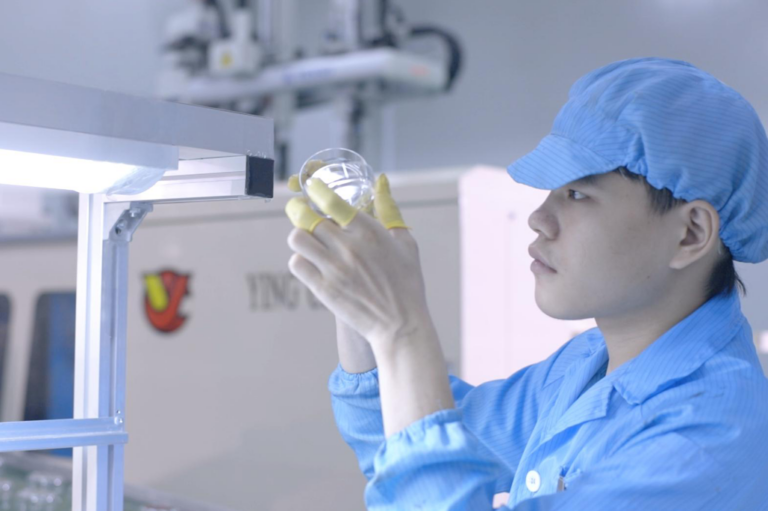
Introduction: The Hidden Gaps That Derail a Launch
Direct truth: the fastest way to miss a launch date is to trust pretty samples and ignore process data. A cosmetic packaging manufacturer can make a flawless mockup and still ship a batch that fails under real torque and transit stress. Picture this: your team approves a glossy jar, but the line goes live and the caps seize at scale; 14% of units come back within a week. With a cosmetic packaging supplier in china, the distance can hide signals you need—process capability, resin variance, and how they test for seal integrity. Look, it’s simpler than you think. The flaw is not only the part; it’s the proof. Where are the trending charts on injection molding tolerances? Who tracked the MOQ-driven tooling change that tweaked wall thickness by 0.2 mm (tiny, but fatal)? And why do vacuum metallization batches pass visuals and fail when alcohol wipes hit them—funny how that works, right?
Here’s the deeper layer we miss: traditional checks rely on one-off samples, not the flow of production. They skip torque curves, omit accelerated aging, and forget supply chain traceability across sub-suppliers. The result is a beautiful risk. Data shows 1 in 5 packaging issues ties back to unverified process controls, not design alone. So the question is sharp and simple: what signals prove a supplier will hold tolerance at speed, on the actual line, across lots? Let’s move from surface checks to real controls, and set a better playbook for decision-making—starting now.
Are we vetting the right signals?
Comparative Insight—Technology That Changes the Game
Technical lens, steady pace. Old method: inspect a gold sample and hope the batch matches. New method: confirm process capability and stability with live data. A modern line pairs in-mold sensors with SPC dashboards to track cavity pressure in real time, then links those data points to each lot number (traceable and testable). When you compare vendors, ask who uses digital mold monitoring and who still relies on end-of-line spot checks. The difference is night and day. A forward-looking cosmetics packaging manufacturer will show Cp/Cpk for critical-to-quality dimensions, provide seal torque profiles, and run solvent rubs post vacuum metallization to simulate actual field wear. Add small but smart controls—QR lot tags, on-press vision checks—and defects drop before they reach your filler.
There’s more. Coating adhesion issues often stem from plasma pre-treatment inconsistency, not the coating itself. You can compare two suppliers by their surface energy audits, not just their sheen. One embraces ISO 22716 and cleanroom zoning for airless pumps; another shrugs and adds a manual wipe step (risky). The first proves pull-force consistency on droppers; the second promises “we’ll fix it next lot.” Case in point: a brand cut returns by 38% after shifting to statistical incoming inspection and life-cycle analysis (LCA) on components—because systems beat guesses. This approach is not loud, but it is durable—and it pays off in smoother line speeds and fewer line stops.
What’s Next
How to Choose Wisely: Three Metrics That Don’t Lie
Advisory close, clear and practical. Use these three metrics when you assess a supplier, and you’ll see through the gloss:
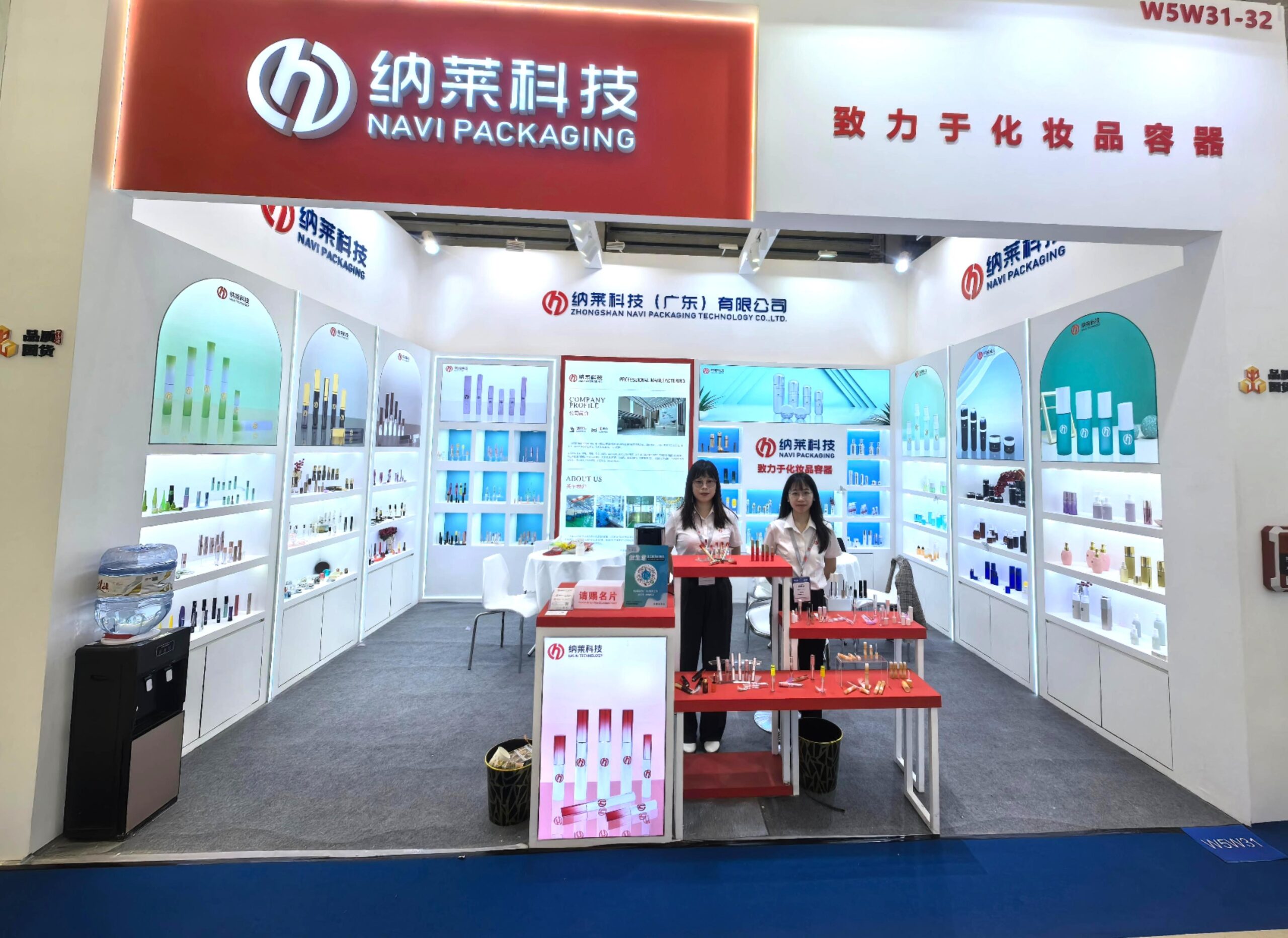
1) Process capability on the few dimensions that matter: seal torque, neck finish roundness, actuator fit. Ask for Cp/Cpk ≥ 1.33 over three lots, not one sample. 2) Proof of durability under real stress: accelerated aging, solvent resistance after vacuum metallization, drop tests at cold and hot temps. Results should be traceable back to lot IDs—no exceptions. 3) Line-integration readiness: can they provide dimensional trend charts, packaging stack-up drawings, and a pilot run plan before your MOQ? If yes, your launch risk shrinks. If no, delays loom—funny how that works, right? When you compare on these terms, you buy fewer surprises and more control. And you give your team room to breathe, ship, and sleep. For a grounded starting point with data-forward practices, see NAVI Packaging.
