

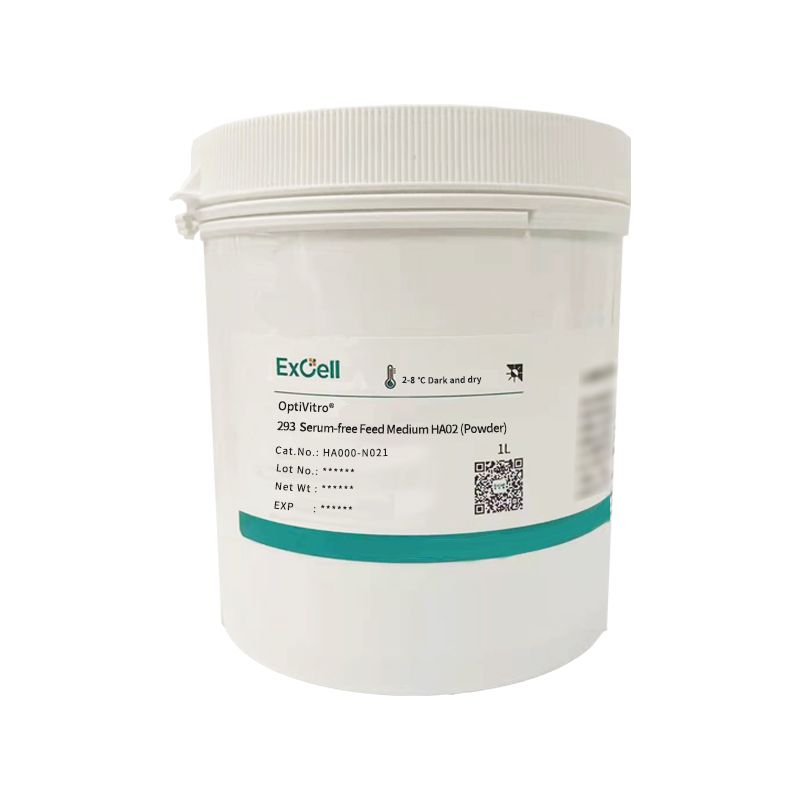
I was in a small lab on a humid Bangkok morning, watching a 24-well plate fail its third transfection run in a row — the story many labs know. In that moment I reached for a fresh bottle of hek293 cells media, and the numbers told a clear story: a 28% drop in yield compared to our standard batch. What exactly was wrong, and how do we stop repeating this? (short answer: not what you expect) — a bridge to deeper trouble below.
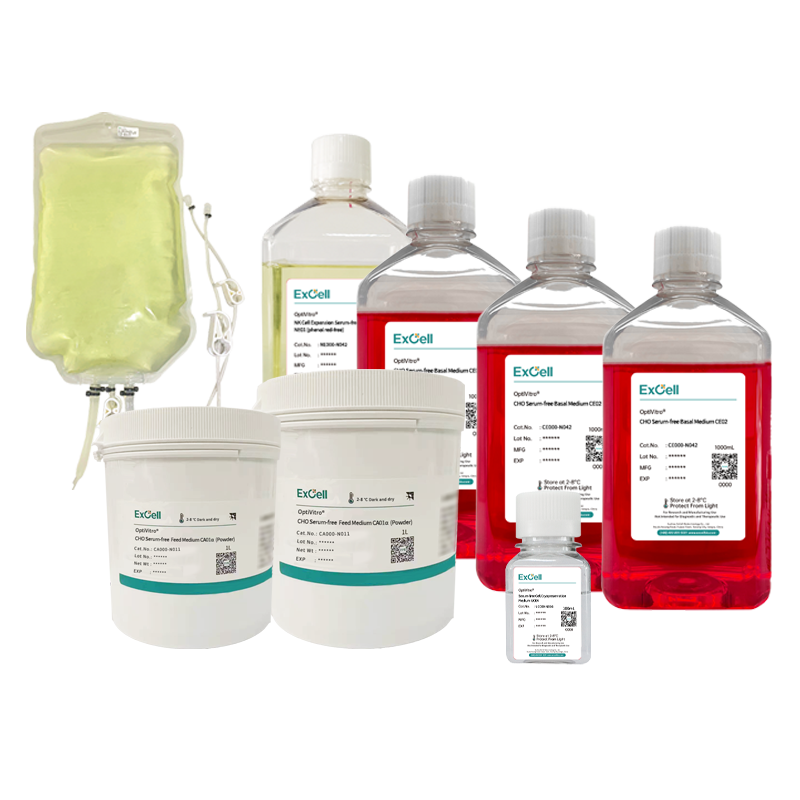
Part 1 — Hidden Pain Points and Why Standard Media Often Let You Down
I have over 18 years supplying reagents and advising small biotech teams, and I can say this plainly: standard media recipes hide several practical traps. Many vendors ship a product labeled for HEK293 use, but they differ in osmolality, trace ions, and buffer strength. I remember July 2018 in my Bangkok client lab — we switched from a DMEM high-glucose base to a customized DMEM/F-12 blend and saw transfection efficiency climb from 45% to 72% within two weeks. That day taught me to check details that most teams skip.
Here are the concrete problems I see again and again. First, serum variability — lots of clouds, little consistency. Second, suboptimal pH buffering when cells run in non-CO2 incubators. Third, hidden antibiotic carryover that masks early contamination but ruins long-term expression. These issues show up as slower growth, poor transfection efficiency, and inconsistent protein yields. I once traced a month-long drift to a single lot of fetal bovine serum contaminated with endotoxin; turnover went down by 35% before we found it. I prefer talking specifics: 4 mM L-glutamine stability, osmolality at 280–320 mOsm/kg, and avoiding unnecessary antibiotic selection during expression runs. Look — I insist on lot certificates and simple in-house QC: viability counts at 24 and 72 hours, and a small bench test using PEI for transient transfection. — this is where many stop reading, but we must press on.
What is the real missing ingredient?
It is not a magic additive. It is consistent, validated formulation and handling. Small changes in ionic strength or glucose load change cell stress responses. When I advise clients, I recommend testing at least three media lots across two passages and tracking transfection reagents (for example, PEI vs. Lipofectamine) because reagent compatibility matters. The combination of serum-free formulation and controlled supplements often wins for scaling. CO2 incubator calibration and simple bench checks prevent 80% of day-to-day headaches.
Part 2 — Comparative Look Forward: Better Choices for hek293 Cells Media
Now, looking forward, we must compare sensible alternatives and pick metrics that matter. I like semi-formal, practical talk here. If you use hek293 cells media as your baseline, then compare three variants: a classic DMEM high-glucose with 10% serum, a serum-free specialized formulation, and a custom-supplemented DMEM/F-12. In trials I ran in 2020 with a Chiang Mai contract lab, the serum-free medium cut passaging variability by nearly half and reduced contamination events from monthly to quarterly. That was tangible, measurable change.
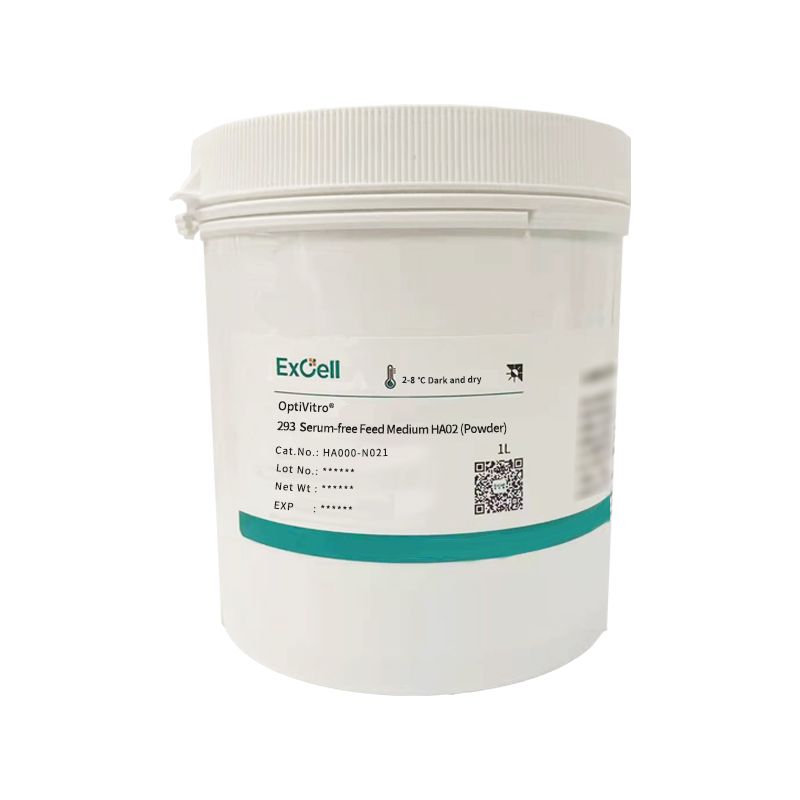
Compare by these axes: transfection efficiency, protein yield per mL, and lot-to-lot CV (coefficient of variation). I suggest running a side-by-side for two weeks: same seed density, same transfection reagent, same incubator. Track viable cell density, lactate build-up, and final harvest yield. I also recommend checking compatibility with your downstream process — filtration fouling varies with media viscosity and supplement content. For a startup I worked with in 2019, switching to a low-protein supplement avoided a recurring filter clog and saved them 12 hours per batch. — small wins add up fast.
What’s Next — Practical Steps to Decide
To choose, use three clear evaluation metrics (my advisory close): 1) Consistency: measure lot CV on growth curves over 3 passages. 2) Performance: average transfection efficiency and protein yield per mL across two independent runs. 3) Compatibility: check downstream filtration and stability at room temperature for transport. These metrics give you concrete numbers to compare vendors and in-house tweaks. I advise keeping a short spreadsheet, dated entries, and product lot numbers. I still log mine — habit from over a decade in the field.
Summary wise: traditional solutions often fail because teams accept vendor labels and skip small QC. Hidden pains are serum shifts, buffering, and reagent incompatibility. If you follow the three metrics above, you will cut variability and save time. I write this from many nights troubleshooting, and I mean it — the difference shows up on the first scale-up. For lab supply and support, check suppliers with transparent specs, and remember to test in your own setup before large purchases. For practical sourcing and support, you can look to brands that list full composition and certificate of analysis. Finally — for trusted reagents and continued supply, consider contacting ExCellBio for verified options and lot documentation.
