

Introduction: Framing the Challenge
Have you ever wondered why two shops with similar machines can post very different output numbers? CNC machining center manufacturers face a stream of performance claims and benchmarks, yet shop floors still report variability in uptime and part quality. In many studies, productivity gaps of 15–30% show up between nominal tool paths and real-world results—so what explains the gap? (I’ll admit I’ve seen this play out first-hand.) This introduction sketches a scenario, cites observed data, and asks a central question about root causes and solutions. The next sections will dig into the deeper technical and human factors that keep throughput from matching promise, and then point toward practical ways to close the gap.
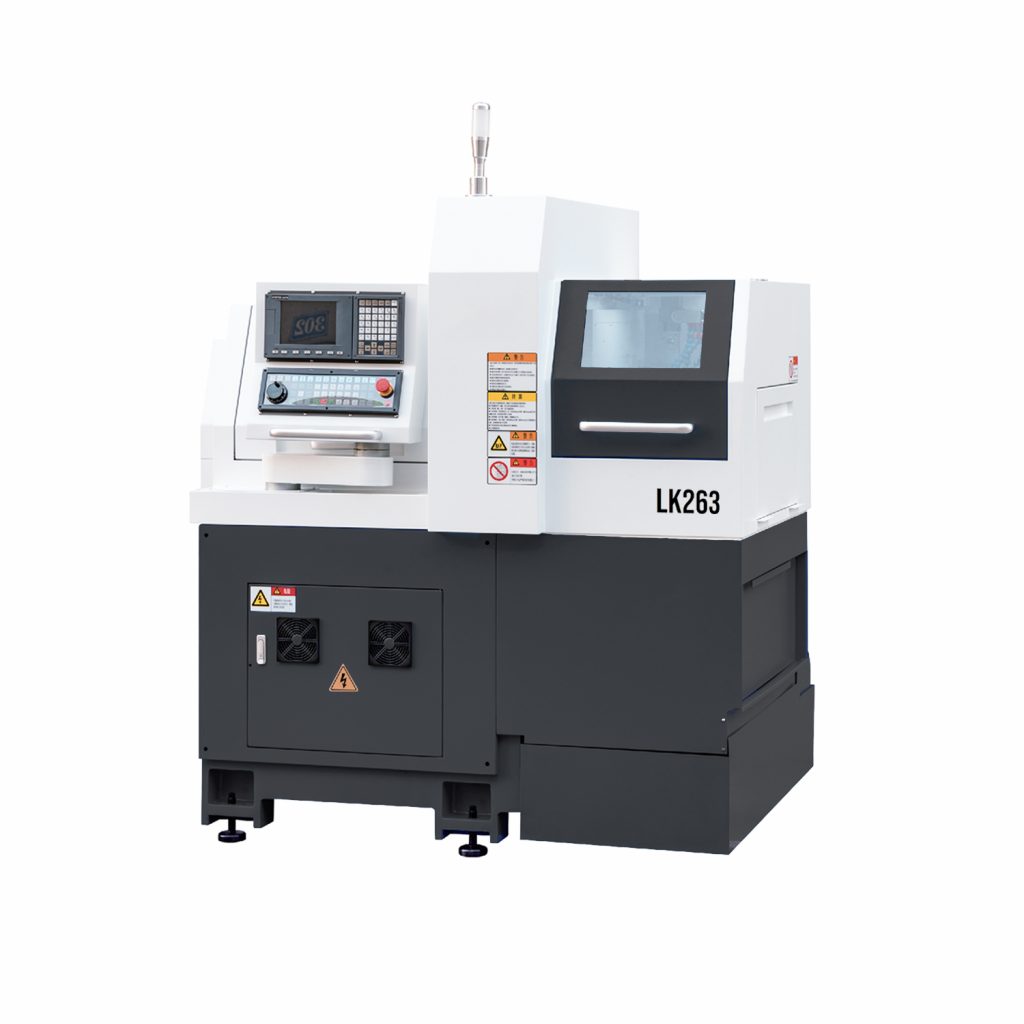
Uncovering the Flaws in Traditional CNC Lathe Systems
Why do these problems keep showing up?
I want to start with something specific: the modern cnc lathe machining center often comes loaded with features, but real shops still struggle with consistency. From my experience, a lot of the trouble traces back to assumptions—about rigidity, control tuning, and tool life—that don’t hold under production stress. When manufacturers prioritize specs over integration, issues with spindle speed control, servo motors tuning, and tool changer reliability surface on day two of a production run. Look, it’s simpler than you think: parts may meet CAD tolerances in a single test cycle, but repeatability fades when feed rate ramps or when a coolant change alters thermal balance.
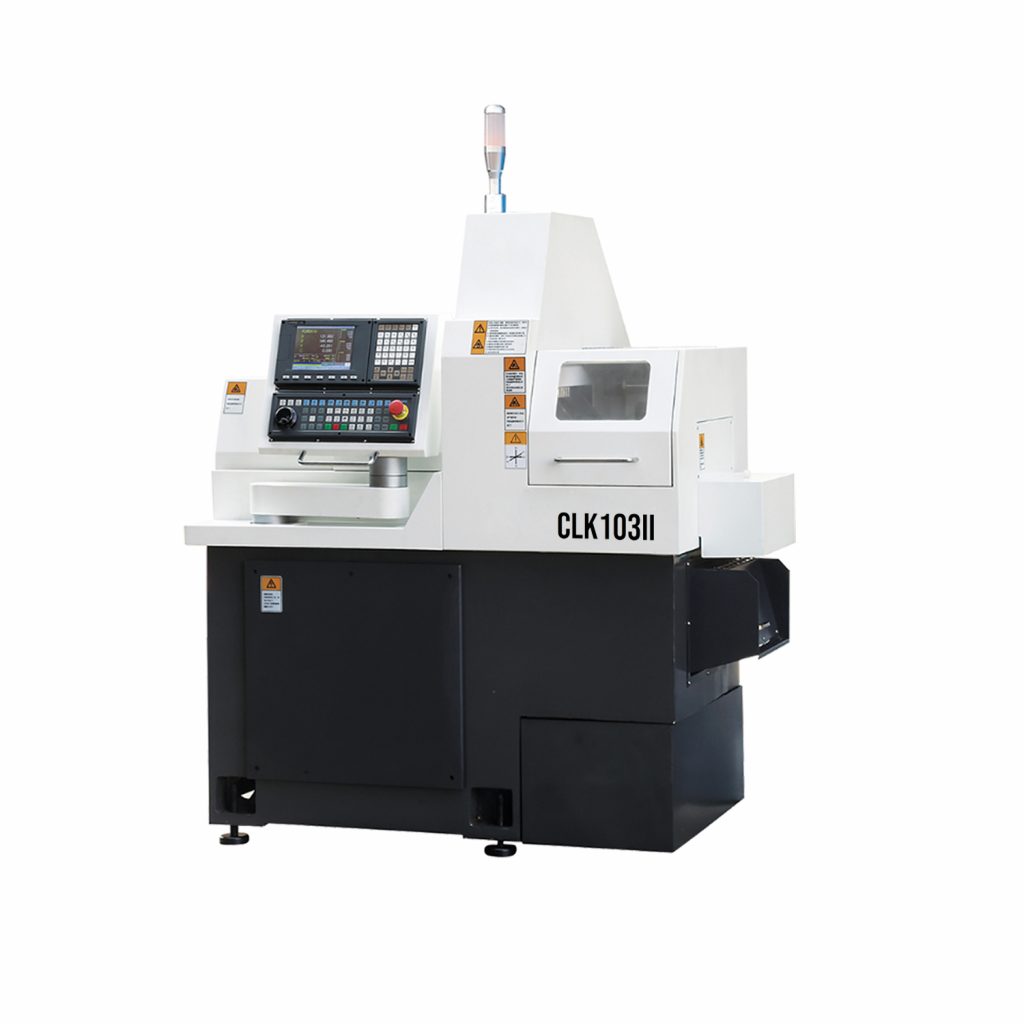
Technically speaking, many “traditional” solutions focus narrowly on power converters or peak torque numbers rather than on system dynamics and feedback loops. That narrow focus hides friction points: badly matched spindle bearings, insufficient torque margin at low rpm, and weak vibration damping. I’ve watched teams chase false positives—tight tolerances on a test bar—while missing how tool wear and G-code optimization interact over an eight-hour run. These are not exotic problems; they are practical, solvable issues that require a systems view and better feedback (sensing and tuning), plus simple changes in maintenance routines—funny how that works, right?
Future Outlook: Comparative Paths and Practical Steps
What’s Next — how do we choose the right path?
Looking ahead, I see two productive directions: improve integration of control and mechanical systems, or redesign workflows to match machine realities. In practice, that means pairing the right machine class with the right control strategy and tooling plan. For example, upgrading to predictive maintenance sensors and better thermal compensation can lift effective uptime; the goal is not just higher peak torque but stable, repeatable cuts across shifts. When I speak of future outcomes, I mean systems that shift from reactive fixes to planned, measurable improvements.
To be concrete: shops should evaluate candidate machines like a combination of hardware and live performance. I often advise a simple comparative trial—run identical parts across two lines, vary feed rate and coolant, and measure variance in surface finish, cycle time, and tool life. You’ll see which configuration holds up. And yes — and yes, that matters. Below are three key metrics I recommend using to judge a solution: 1) repeatable cycle time under varied loads, 2) mean time between tooling adjustments or changeovers, and 3) stability of dimensional output over long runs. Use these as a short checklist when comparing a new cnc machine center to your current fleet.
Closing Thoughts and Practical Advice
I’ll wrap up with clear, human advice: don’t buy solely on spec sheets. Talk to engineers who run the machines, schedule side-by-side trials, and insist on data from real parts, not demos. When you evaluate proposals, weigh the three metrics above, and ask about support for tuning spindle speed, servo gains, and thermal drift. I believe a pragmatic, systems-focused approach will reward you with steadier output and less firefighting. If you want a partner that understands both the shop floor and system design, take a look at Leichman — they’ve been practical and responsive in the examples I’ve seen.
