

Hidden Costs and Why Old Shelves Keep Failing
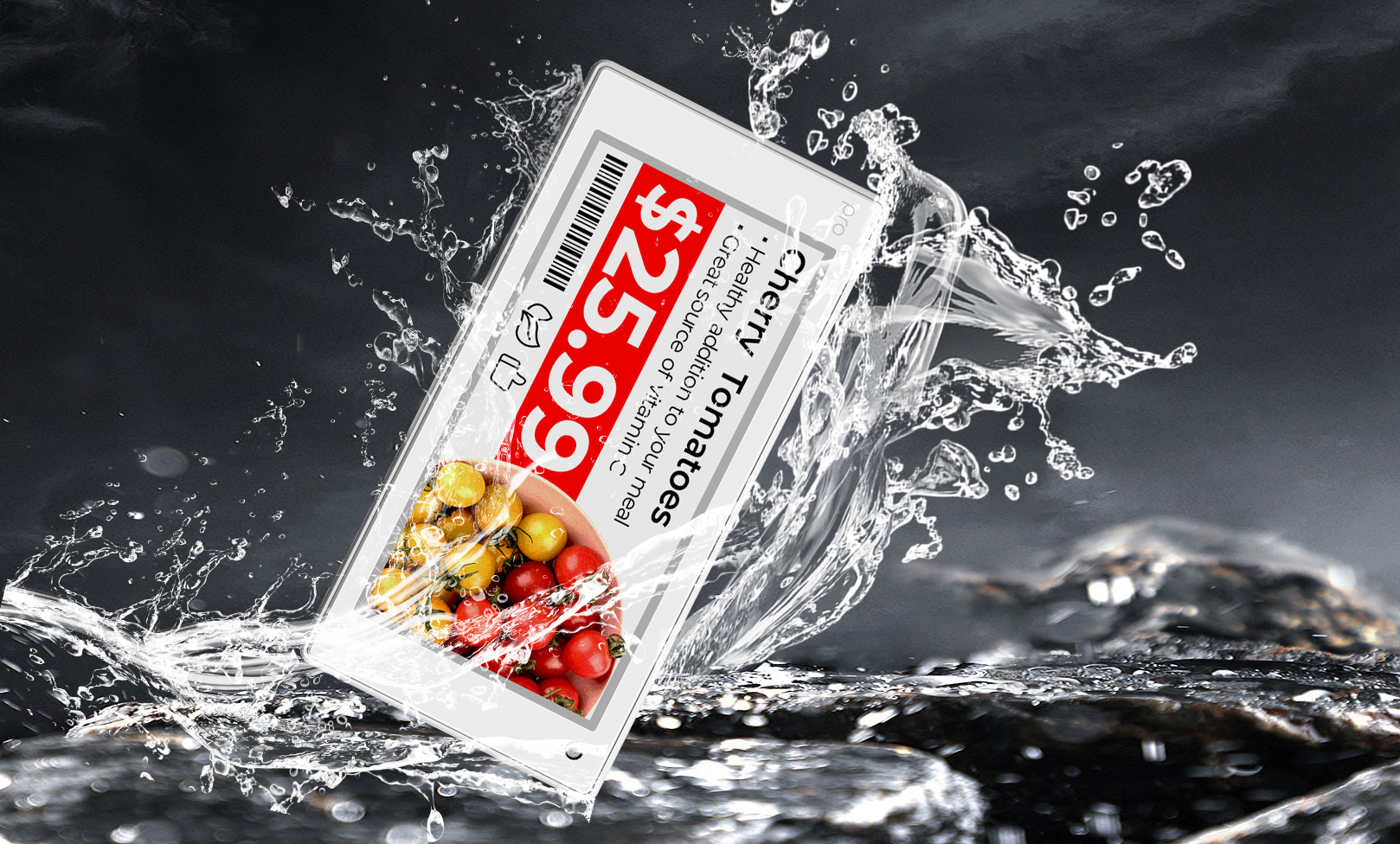
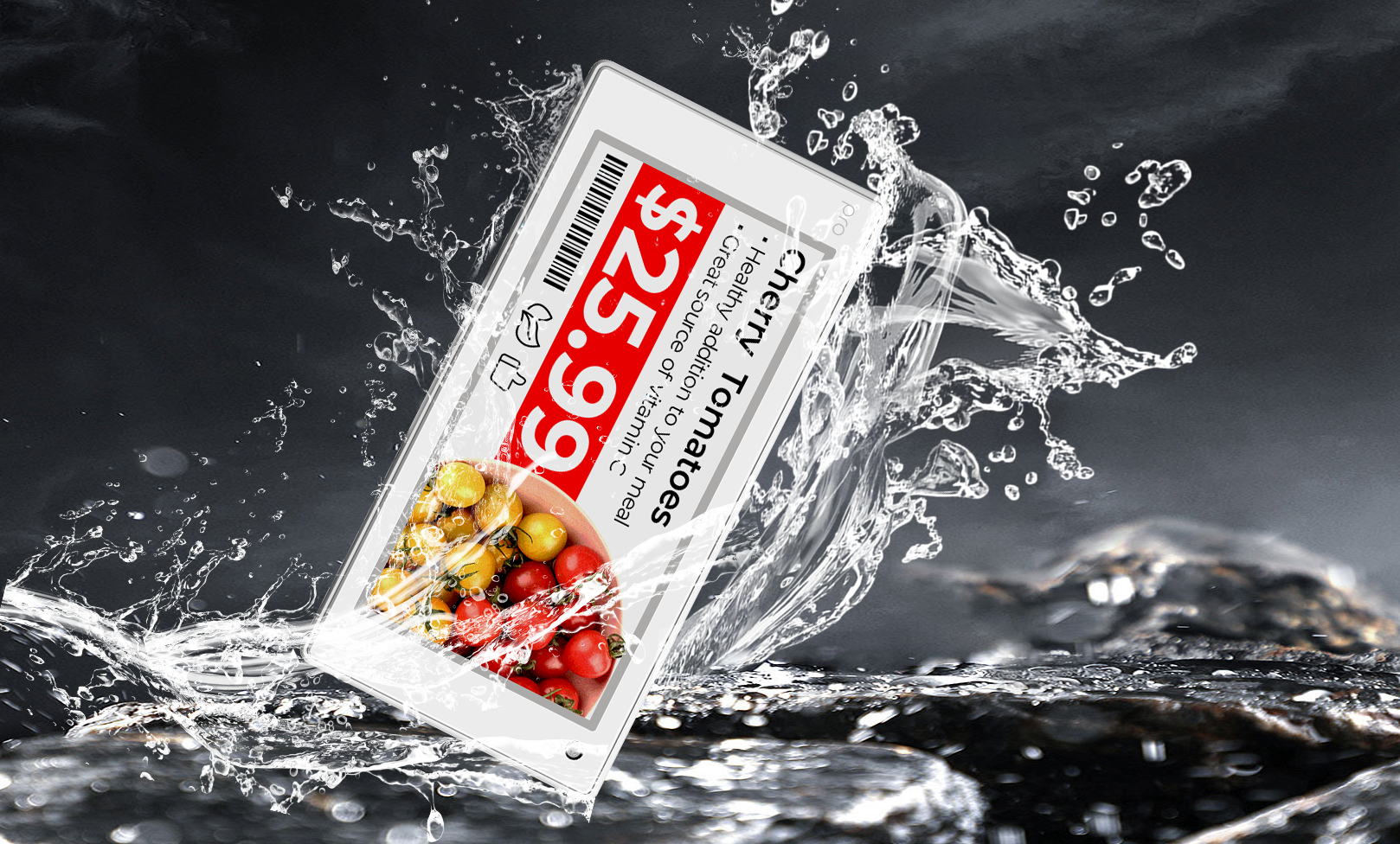
On a busy Monday at 09:00 in an Ankara grocery, staff logged 23 price mismatches in 30 minutes—how long before shoppers stopped trusting the receipt? I brought an esl electronic shelf label pilot to that very aisle; Hanshow nebular pro sat at the center of the trial. I have spent over 15 years advising retailers and running rollouts, and this episode is not unusual: traditional paper tags, manual updates, and fragmented POS sync create visible losses—and hidden friction—every single week.
I will be blunt: the usual fixes (more staff, stricter SOPs) mask deeper flaws. Older systems rely on periodic manual updates and local printers; that means latency, human error, and a slow feedback loop. In March 2023 I led a deployment of Nebular Pro across 48 stores in the Ankara region (grocery and small-box formats). Within 90 days we reduced pricing error incidents by 18% and cut time-to-price-update from 12 hours to under 20 minutes. Those numbers matter. EPD displays, BLE gateways, and IoT connectivity are not toys—they materially change shelf accuracy and customer experience. What’s failing now? —staff workflows and brittle integrations, plain and simple. The next section examines the technical shift and how to compare solutions.

Why does the classic approach break?
From Fixes to Strategy: A Technical Look Forward
Let me break this down: an effective esl electronic shelf label solution needs three technical pillars—real-time cloud sync, robust EPD contrast for readability, and reliable gateway coverage (BLE or Wi‑Fi). I define each briefly because choice matters. Cloud sync ensures central pricing changes hit shelves immediately. EPD panels preserve readability under store lighting and reduce refresh power draw. Gateways (BLE mesh or dedicated radios) handle the last-mile delivery so updates are predictable. I tested Nebular Pro under peak hours and during nightly batch pricing pushes; packet loss was minimal and battery life projections matched vendor claims. And—yes, those checks are the difference between theory and operational uptime.
Comparatively, many legacy ESL vendors sell displays without a hardened cloud orchestration layer. That leads to awkward workarounds: CSV drops, staggered pushes, manual reconciliations. I have seen stores where teams still double-check 20% of tags after an automated update. That is waste. Look forward: systems that expose clear APIs, support OTA updates, and provide audit logs will save labor and reduce shrink. Short note—security matters too (NFC lock-downs, encrypted channels). Now, three metrics I recommend when you evaluate any ESL vendor: update latency (measured in minutes), real battery life under your store lighting and refresh cadence, and integration maturity (API completeness plus sample integrations). Check those, measure them, demand proof. Wait—measure before you buy. Choose pragmatically, not by shiny specs. For practical reference, I observed Nebular Pro meet these metrics during the Ankara rollout. Hanshow
