


Introduction: When Speed Meets Reality on the Forecourt
Here is the straight truth: ultra‑fast charging is only as good as the system that supports it. In the world of EV charger manufacturer / winline, that system is a blend of hardware design, firmware policy, and site planning. Picture a busy retail car park on a Friday night; every bay is full, two chargers are throttling, one is down for a firmware patch. Across several European pilots, operators report that session drop-offs rise by double digits when queues exceed eight minutes—small delays, big churn. Yet the investment per site still climbs past expectations. So why do some rollouts hum while others stumble?
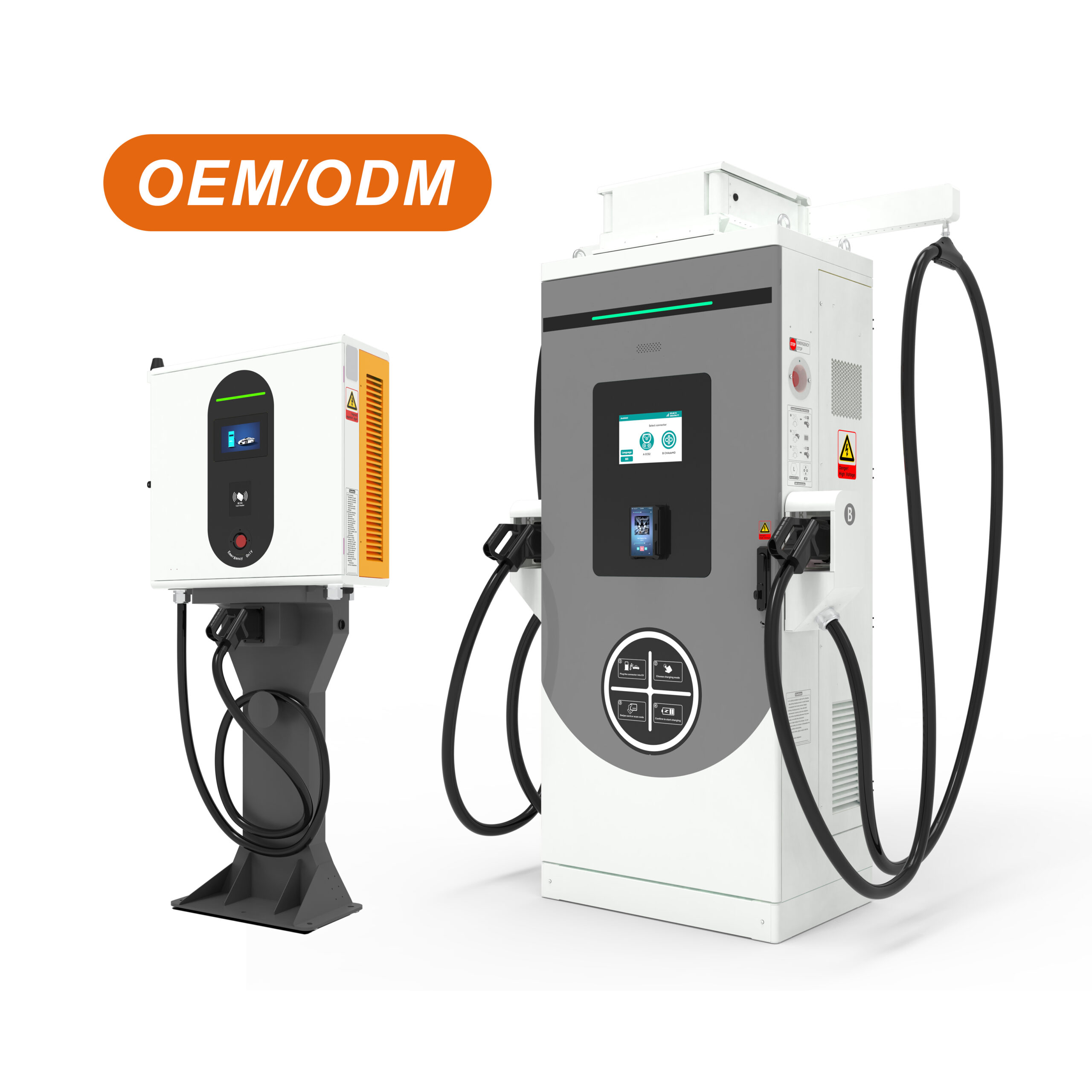
We will compare the old playbook with the new—without buzzwords for the sake of it—and ask one core question: which design choices actually protect uptime? (And which just look good on a slide?) Let us step through the constraints, the hidden costs, and the fixes that stick—then weigh them side by side.

Legacy Pitfalls Versus the Promise of Modular Ultra‑Fast Design
Many programmes still bet on monolithic stacks and static control logic; that is where issues compound. With legacy cabinets, power converters run as a single, rigid block. If one sub‑assembly drifts out of spec, the whole unit derates—or worse, drops. Firmware built around slow OCPP cycles adds latency to fault recovery. And when load balancing is fixed at the cabinet, rather than across a site, peak periods turn simple queues into backlogs. The alternative—like ultra fast charging 3600 architectures—uses segmented power stages, smarter dispatch, and fast diagnostics. Look, it’s simpler than you think: smaller modules, faster isolation, quicker return to service. — funny how that works, right?
Consider thermal management. Old boxes often rely on uniform cooling paths and reactive fans. Hotspots build near rectifier stages, and derating kicks in. Newer designs isolate heat sources and use targeted airflow. That protects the silicon, especially under high duty cycles. Meanwhile, field service time drops when modules are hot‑swappable; engineers swap a brick, not a cabinet. The upshot is steadier throughput—and steadier revenue—because downtime windows are minutes, not days. When sites anchor control to edge computing nodes instead of a single cabinet brain, fault domains shrink. Add in robust OCPP profiles and predictive logs, and operators finally see two things they can act on: pattern and cause.
Where do legacy designs really falter?
They over‑spec power, under‑spec control. They treat resilience as a spare part, not a first principle.
Forward‑Looking Design Principles That Change the Uptime Curve
What actually turns a site from fragile to future‑proof is a set of engineering choices, not a single headline wattage. Start with silicon. SiC MOSFETs cut switching losses, which reduces heat, which improves efficiency when cars pull high currents—especially above 300 kW. Pair that with distributed control and edge computing nodes so each power slice can self‑check and rejoin quickly after a transient fault. Then consider grid behaviour: better harmonic filtering and active power‑factor correction keep the site inside utility limits, so there is less throttling from protection relays. In plain terms, the station keeps breathing under stress—and yes, the numbers matter.
Next comes modularity. A site built around a fast charging module approach can scale by cabinet, string, or even per power block. That means you right‑size CapEx on day one and unlock clean upgrades later. Dynamic load balancing spreads demand across connectors, cabinets, and time, so fewer cars get stuck at 50% rated power. Predictive maintenance uses telemetry to spot fan drift, connector wear, or rising contact resistance before users notice. OTA updates roll out in small batches with rollback paths—no blanket downtime. Together, these choices shrink fault domains, improve mean time to repair, and steady cashflow for operators.
What’s Next
Two paths are emerging. One clings to big, fixed stacks and hopes for gentler loads. The other leans into modular cabinets, fast isolation, and data‑led service. The second is winning because it reduces risk at every layer, from grid harmonics to connector duty cycles. Summing up: we saw why rigid designs struggle under peak demand; we showed how segmented power, sharper thermal management, and smarter control lift real‑world throughput. Now, an evaluative lens helps decision‑makers cut through the noise. Choose by three metrics: 1) Resilience under partial faults—how much power stays online when a module fails; 2) Service velocity—mean time to replace, from alert to reboot; 3) Grid friendliness—harmonics, power factor, and how often the site self‑limits. Meet these, and user queues shrink, utilisation rises, and complaints fall. The badge matters less than the principles, but it helps to work with a team that builds for uptime from the start: Winline.
